
Fahad Yasin Says Somalia Could Benefit From Makkah Pact
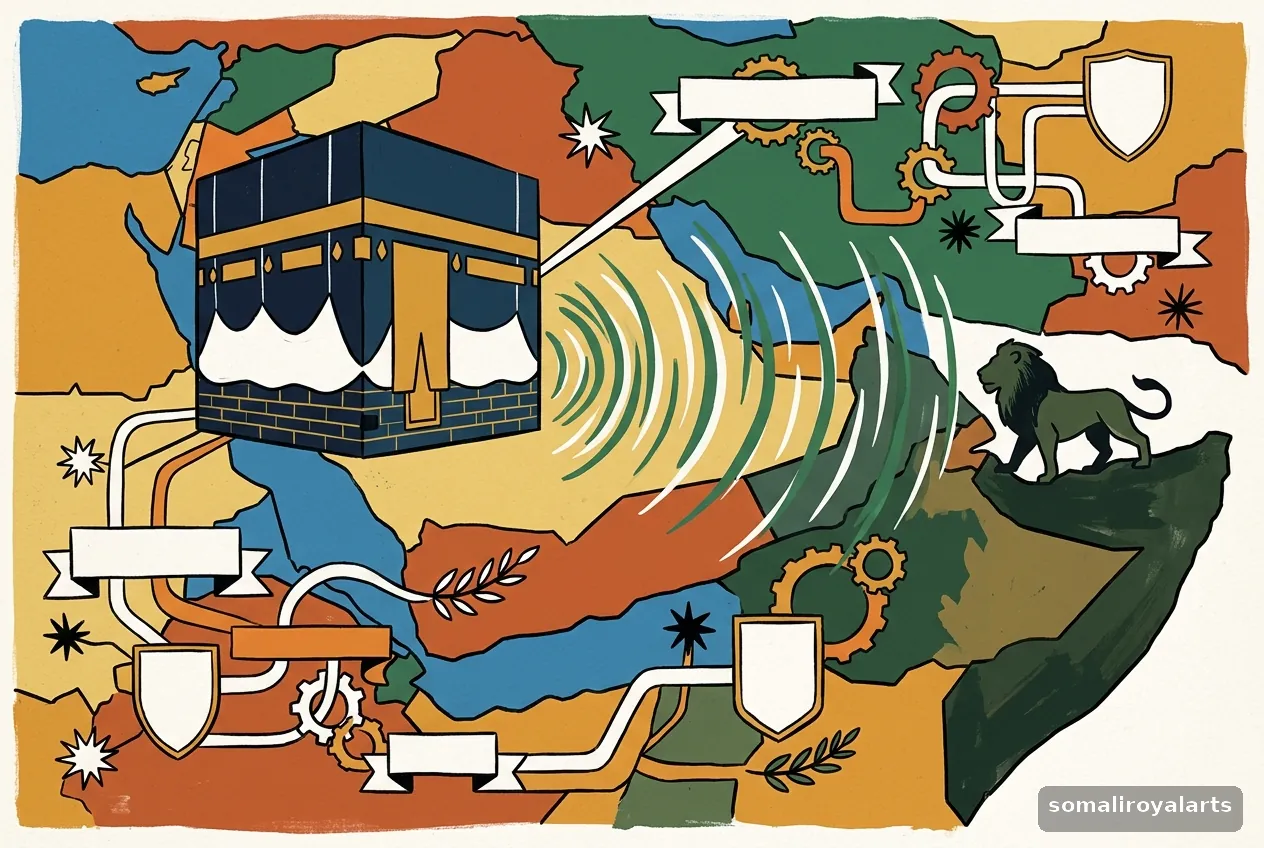
Former Somali intelligence chief Fahad Yasin says Somalia could benefit from the new defence pact between Saudi Arabia, Turkey and Pakistan. Yasin, who previously led the National Intelligence and Security Agency (NISA) and later served as national security adviser, called the agreement a historic step that could provide Somalia’s national security with stronger backing from its Arab and Muslim partners. Writing on X, Yasin said the pact also had strategic significance for countries bordering the Red Sea and Indian Ocean. The two waterways are increasingly affected by Middle Eastern rivalries, maritime security threats and competition among regional powers. The Makkah Joint Defence Agreement states that an armed attack against any of the three countries will be considered an attack against them all. It aims to strengthen collective deterrence and deepen military and security cooperation. Somalia is not a signatory, so the collective defence commitment does not formally extend to Mogadishu. Yasin nevertheless argued that Somalia could benefit indirectly from closer coordination among three countries with growing political, military and economic influence across the Horn of Africa, Red Sea and Indian Ocean. All three countries maintain relations with Mogadishu, although Turkey has developed the deepest military footprint in Somalia. Ankara operates a major military training facility in Mogadishu and has trained thousands of Somali troops. Turkey has also expanded its cooperation with Somalia into maritime security, energy and defence. In July, the Turkish parliament extended Ankara’s military mission in Somalia until 2028. Pakistan has moved to deepen military and security ties with Somalia through counterterrorism cooperation, training and professional exchanges. Saudi Arabia has longstanding political and economic relations with Somalia and remains influential in the Red Sea region. Yasin said the unity of Saudi Arabia, Turkey and Pakistan sends a clear message to forces seeking to undermine their strategic security and wider regional sphere. Turkey has NATO’s second-largest military and an expanding defence industry, Pakistan is the Muslim world’s only nuclear-armed state, and Saudi Arabia contributes substantial financial and political influence. Somalia’s long coastline and position along the Gulf of Aden and Indian Ocean make maritime security closely connected to the country’s interests. If the pact produces closer coordination among Mogadishu’s partners, Somalia’s gains will depend on whether those relationships translate into practical security support.
Read our sourcing and corrections policy


Be the first to comment on this story!