Army Weighs Recalling Ali Jeyte for Hiiraan Offensive
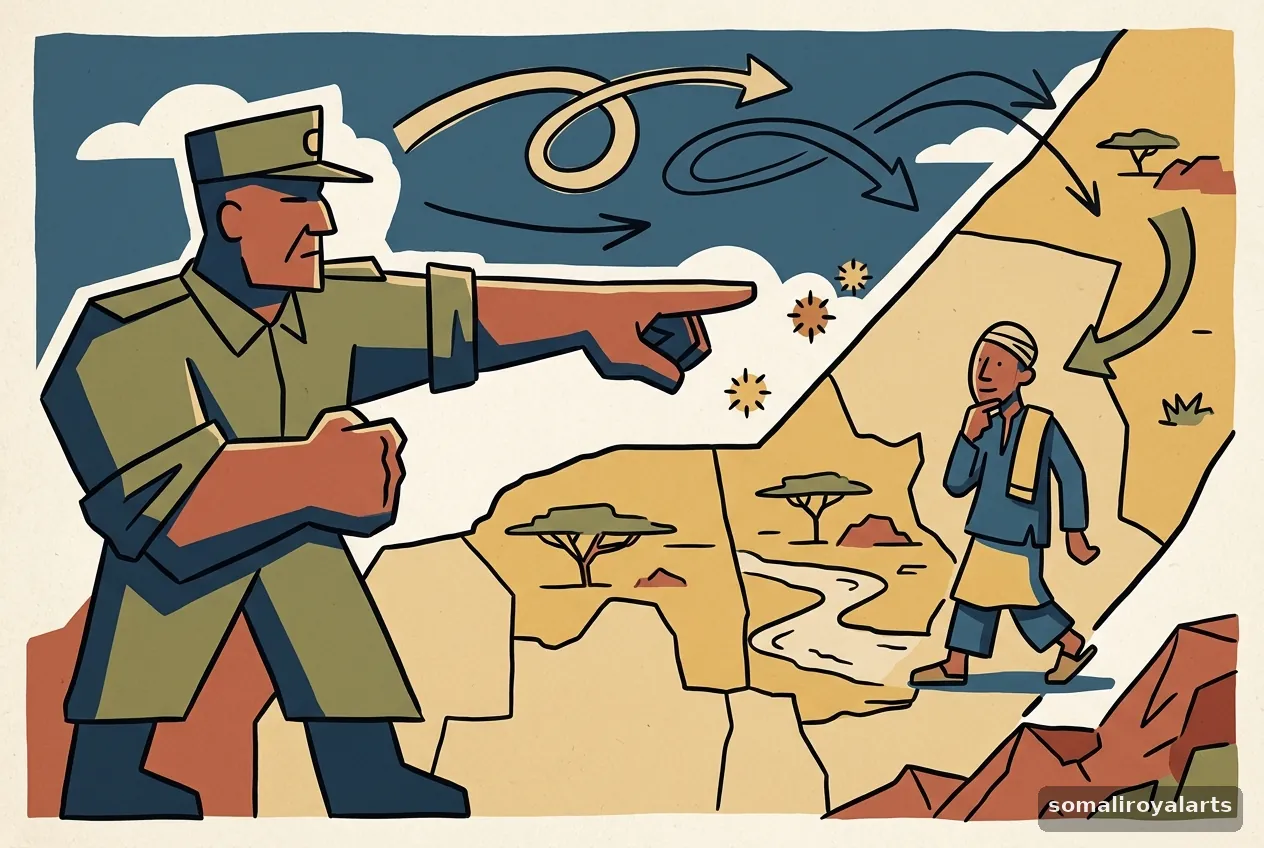
The federal army is under mounting pressure in eastern Hiiraan, where its position has narrowed to a network of garrisons connected by roads it does not control. Al-Shabaab uses this ground to move fighters and supplies between southern and central Somalia. The federal command has spent months trying to sever the corridor but lacks the numbers needed to hold the territory it clears. The problem became clear in early August, when Teedaan fell to Al-Shabaab after a single day of fighting. The brigade stationed there had been requesting ammunition and water for weeks before the assault. On August 2, federal troops and Macawisley militiamen encircled Al-Shabaab units between Maxaas and Teedaan. Warplanes struck the group’s positions and vehicle bombs detonated on the forward trenches, but neither side produced independently verifiable casualty figures. In July, strikes near Suullaay, about 17 kilometres south of Teedaan, killed 18 fighters and wounded 21. The group absorbed the losses and returned to the same ground within days. In September 2022, then-Hiiraan governor Ali Jeyte organised a popular uprising that began in the region and spread within weeks to Middle Shabelle, Galguduud and Mudug. The army advanced behind the clan fighters, and together the two forces drove Al-Shabaab from roughly 70 percent of the territory it held in Hirshabelle and Galmudug during 2022 and 2023. The offensive later stalled, and the group has since recovered most of the ground taken during those 15 months. Moqokori, Maxaas and Teedaan have each changed hands twice, with every federal recovery costing more than the original capture. On October 29, 2023, President Hassan Sheikh Mohamud appointed Jeyte presidential liaison for Civilian Defence Forces affairs. The appointment ended a confrontation the presidency preferred to absorb. Jeyte had declared himself president of an unrecognised Hiiraan state, issued decrees appointing his own commanders and drawn police units in Beledweyne away from the Hirshabelle administration. The federal government did not want a second front in a region it needed as a staging area for the war farther south. Jeyte’s liaison office was never given the resources to command forces. Over the following two years, its authority steadily diminished as Villa Somalia shifted its attention to amending the provisional constitution and building an electoral system. The Macawisley were left to fight in their districts without a coordinating headquarters, supply chain or payroll. Clan fighters promised integration into the national army waited; many returned home, while others entered local arrangements with whoever was collecting taxes on their roads. The political calendar consumed the presidency’s remaining capacity. Southwest was settled by force in June, Galmudug voted in July, the House of the People elected a speaker on August 10, and Hirshabelle’s council and assembly polls were scheduled for August 20, with the presidential outcome already agreed in the capital. Meanwhile, Al-Shabaab moved into the space left behind. The corridor the army is now trying to close between Maxaas and Teedaan remained open for much of the period in which Jeyte held the portfolio without the authority to act. Reactivating Jeyte could address an immediate military problem but would create longer-term political risks. The Macawisley forces in Hiiraan are Hawadle formations before they are national ones. Rearming them under a commander with his own political history in Beledweyne could rebuild the power centre the federal government dismantled in 2023. Hiiraan has operated with something close to de facto autonomy from Jowhar for years, and a militia command with its own weapons, recruitment and grievance against Hirshabelle could entrench that arrangement beyond the current fighting season. The 2022 uprising was sustained by the belief that the state had finally arrived. Its fighters gained territory and recognition and expected a place in the army that followed them. Three years later, the African Union mission is selling its trucks, recruits from Turkiye are absorbed by the capital, and eastern Hiiraan’s districts have watched the government negotiate state presidencies while their front fell quiet through neglect. General Ibrahim can recall Ali Jeyte, but the credibility that made Jeyte effective was spent elsewhere and will not return with a uniform. For the residents and businesses that depend on eastern Hiiraan’s roads, the issue extends beyond who commands the offensive: daily movement depends on whether the army and local forces can secure the routes, sustain their supplies and hold recovered ground.
Read our sourcing and corrections policy

Be the first to comment on this story!