AUSSOM logistics face auction as international funding shrinks
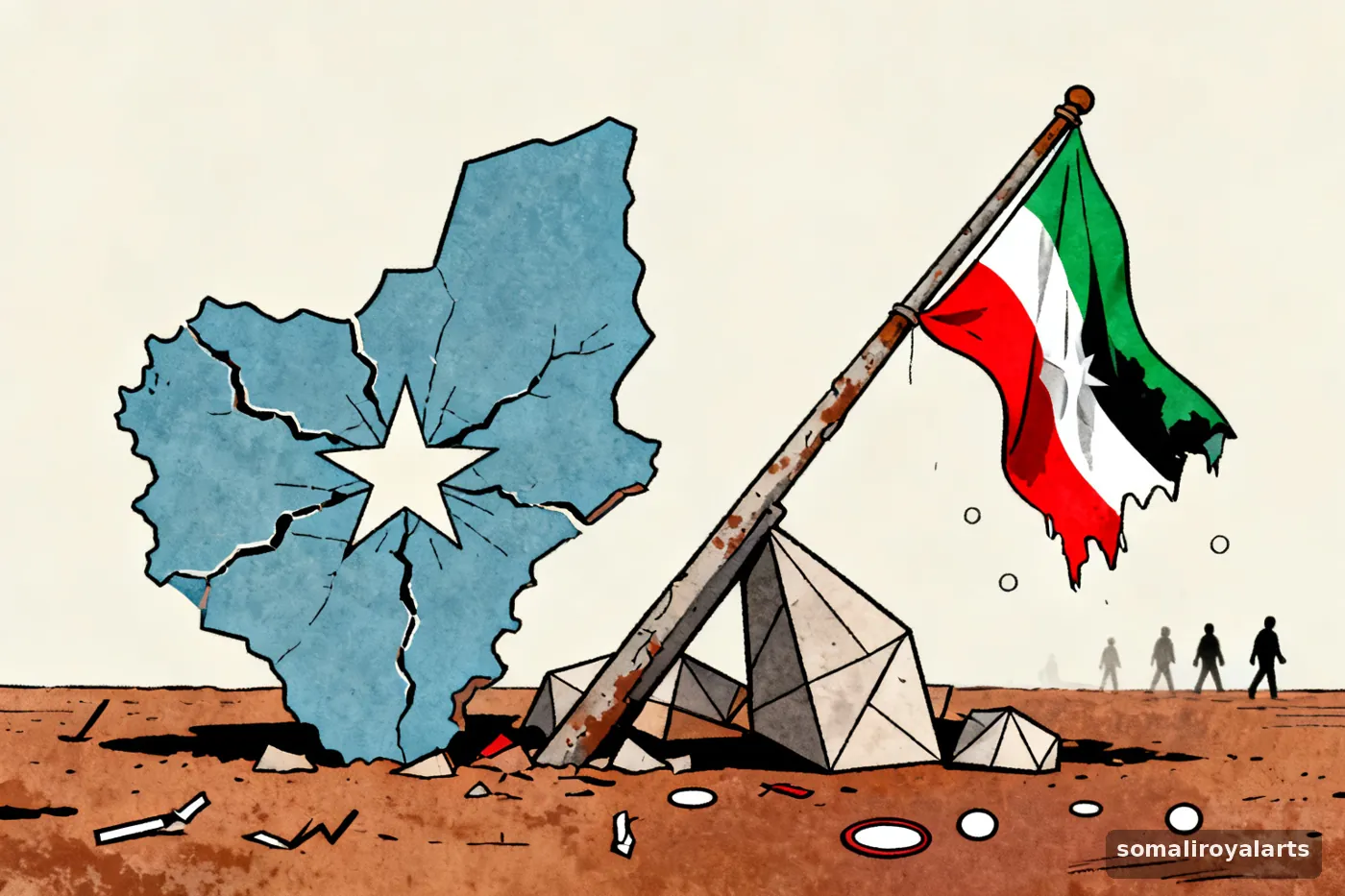
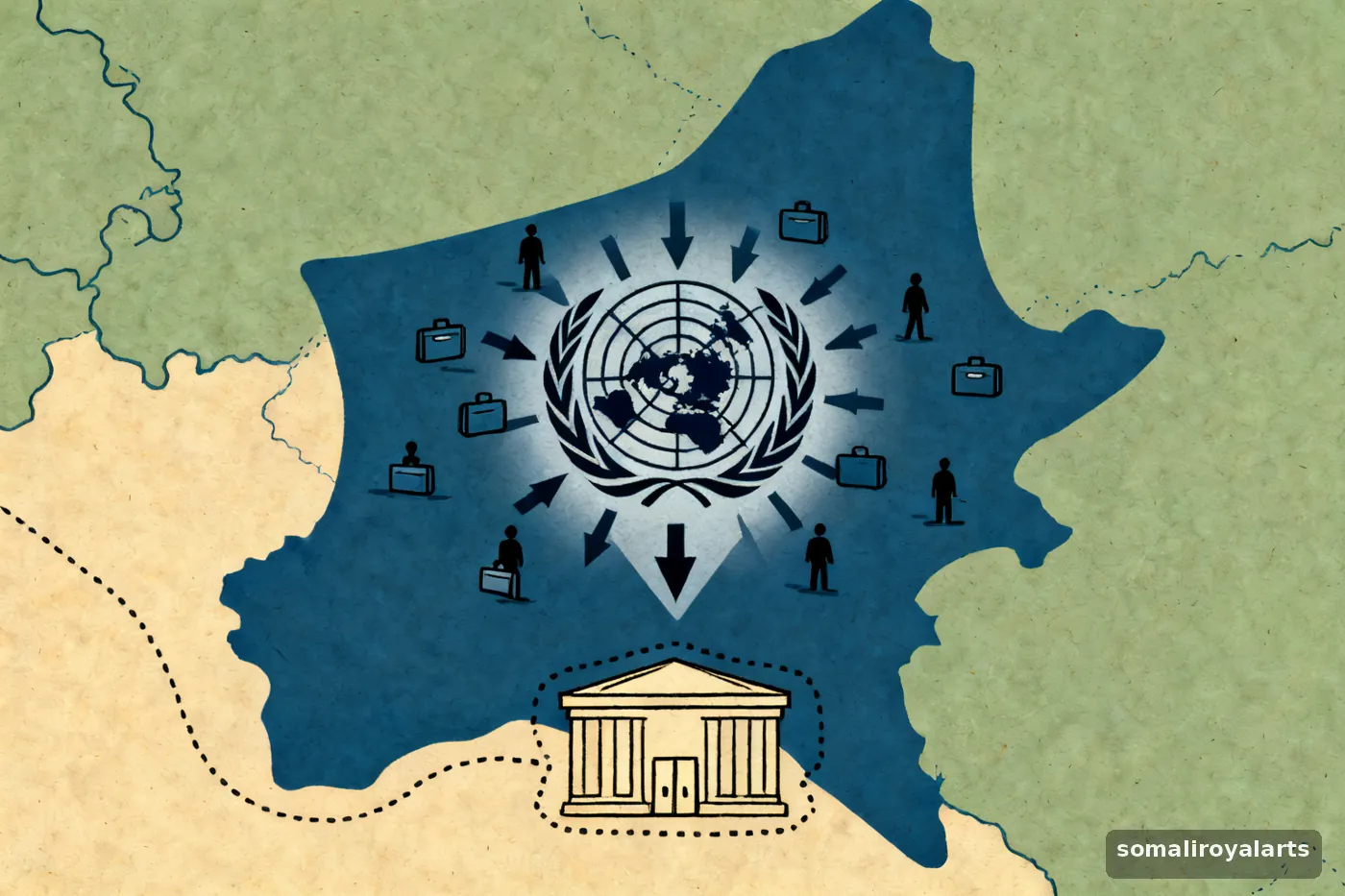
The logistics structure supporting the African Union Support Mission in Somalia, AUSSOM, is facing contraction before the expected cutoff for mission logistics funding at the end of the year. Ten employees from the African Union and United Nations Information Support Team have received termination notices. The development coincides with a 6 August procurement notice inviting auctioneers to bid for the right to sell mission property. The support office allowed five days for responses to a list that includes vehicles, computers, medical and laboratory equipment, shipping containers, prefabricated accommodation and heavy construction machinery. The scale and timetable of the proposed sale suggest a broad disposal operation rather than ordinary removal of worn or surplus equipment. The successful auctioneer would work under a three-month arrangement that can be extended three more times for three months each. These logistics decisions are moving faster than diplomatic discussions over AUSSOM’s future, with financial pressure accelerating the paperwork and procurement process. Washington, the support office’s largest single contributor until July, will block any effort in the Security Council to spend that money on mission logistics after 31 December. A 481 million dollar budget has been approved for the financial year ending 30 June 2027, but the dispute over continuing logistics support remains unresolved. Last year the support office operated on 502 million dollars, compared with 190 million dollars allocated to AUSSOM itself, much of it used to reimburse troop-contributing governments. The authorised force comprises 11,862 uniformed personnel, including 680 police officers, while UN funds cover up to 85 civilians attached to the military and police components. Weeks earlier, the UN under-secretary-general for operational support travelled from New York to Mogadishu to tell staff, Somali officials and international partners that uncertainty around the mission could be managed. The termination letters and auction notice followed anyway. That leaves practical decisions on AUSSOM’s future increasingly with procurement officers and budget holders while the argument over the mission’s mandate continues elsewhere. On 16 August, Somalia’s president closed training for more than 3,000 soldiers at Xananbuure in northern Galgadud, described as the largest class trained inside the country since 1991. He said Somalia had reached a point where it could take full charge of its security and asked for African contingents to be given flowers and returned to their capitals. Somalia has improved its ability to produce soldiers, with Saudi funding behind a February pledge of 5,000 troops and instructors drawn from Romania, Ukraine and Sudan. The harder question is what those soldiers receive after their training ceremonies end. Pay, ammunition, fuel, transport and casualty evacuation are among the services supplied by the support office. In riverine districts, federal forces have repeatedly left positions they captured after resupply convoys failed to arrive. Replacing AUSSOM therefore means inheriting a logistics burden on which the UN has spent more than half a billion dollars a year, while the federal treasury has struggled to pay the soldiers it already has reliably. August also showed where those troops are being deployed. Army units fought a pitched battle in Baidoa against militias loyal to the president removed from Southwest administration. The Southwest flag was lowered in Marka in favour of a rival administration, and heavy weapons were used against residents of the Tookiyo quarter in Yaqshiid during demolitions in Mogadishu. Every battalion committed to such tasks is unavailable for towns now garrisoned by AUSSOM. Puntland offers a contrast: it conducted its campaign against Islamic State in the Calmiskaad mountains on its own budget and with its own casualties, without this UN logistics structure. Uganda’s defence minister said in Kampala last week that Ugandan troops would remain in Somalia regardless of what happened to the mission’s funding. Uganda contributes 4,500 troops to AUSSOM and has another 2,000 in the country under a separate agreement with Mogadishu. Ugandan military sources expect Kenya, Ethiopia and Egypt to keep forces in Somalia through 2027, although none of those governments has confirmed that. A move to bilateral agreements would place the cost on Mogadishu or the contributing capitals, neither of which has made budget provision for that transfer. Such agreements could also alter command arrangements. A contingent under the AUSSOM mandate operates within an African Union framework renewed by the Security Council, while one under a bilateral memorandum answers to the two governments that signed it. Somalia already has several relationships of this kind, most visibly with Turkiye, whose aircraft flew over the capital during the evictions and whose drones prompted protests in Baidoa. Ethiopian troops have already left Buurhakaba, among forward positions handed to Somali units before the December funding cutoff, while the transitional political mission is due to become a regular UN country office in October. The practical test will be food, fuel, transport and sustained security in the towns concerned; Somali communities and the wider Somali diaspora will be watching whether forces taking over these positions receive the support needed to hold them.
Read our sourcing and corrections policy
This article was prepared by our automated editorial system, which summarized and translated the source above. No human editor reviewed this article individually before publication.
Be the first to comment on this story!