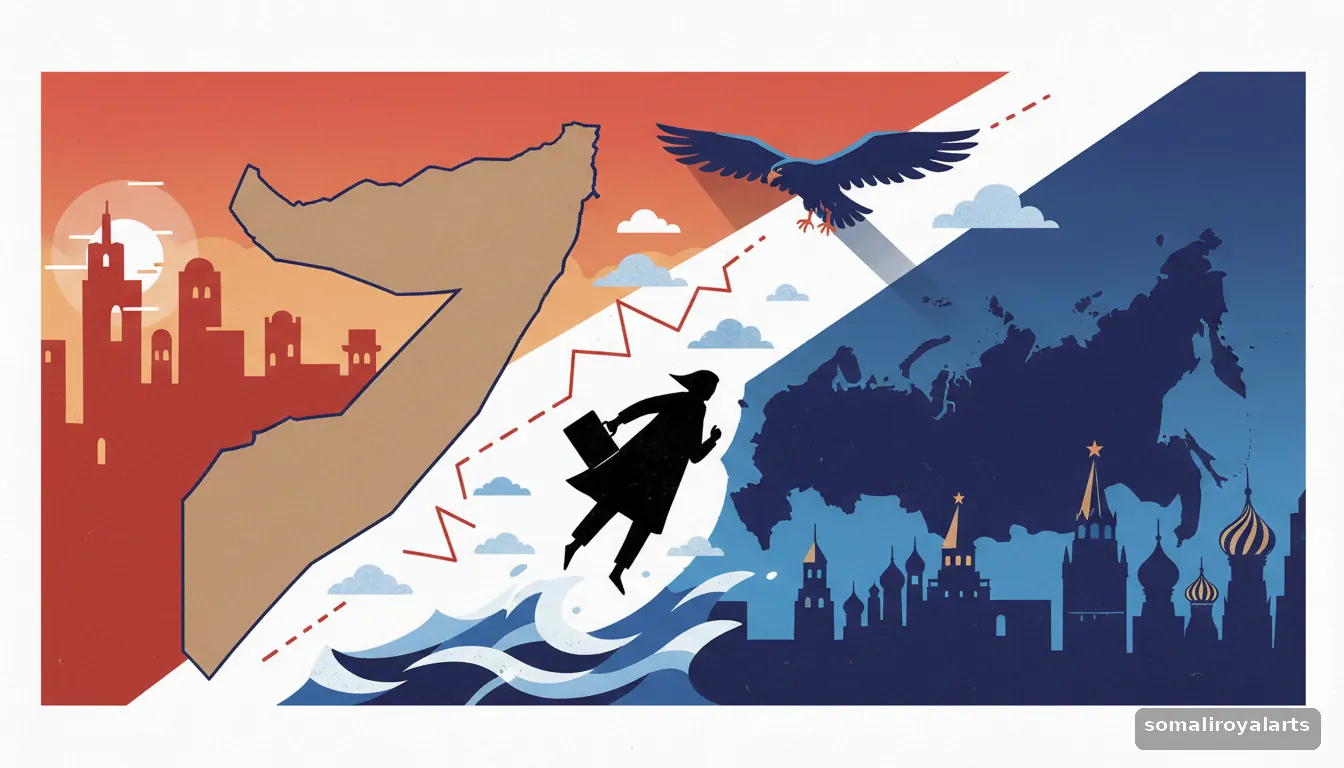
CIA director Ratcliffe makes unannounced visit to Moscow amidst global tensions
CIA Director John Ratcliffe made a surprise, unannounced visit to Moscow on Tuesday, marking his first publicly known trip to the Russian capital since taking charge of the agency. The high-level visit comes as Washington grapples with stalled efforts to end the war in Ukraine and continuing tensions with Iran. According to US officials cited by The Wall Street Journal, Ratcliffe spent about four hours in Moscow before departing. The exact purpose of the visit was not immediately clear, and neither Washington nor Moscow disclosed whom the CIA chief met during his brief stay. Earlier on Tuesday, Kremlin spokesman Dmitry Peskov told reporters that he had no information about the trip, adding that no meetings between the Kremlin and representatives of President Donald Trump’s administration were planned for this week. CBS News and Reuters separately confirmed the visit. CBS reported that Washington informed Ukraine beforehand that a senior US delegation was travelling to Moscow and asked Kyiv to suspend strikes until the delegation had left. Ratcliffe’s mission comes as US intelligence agencies scrutinise signs that Moscow could be preparing for another military mobilisation in Ukraine. The Wall Street Journal reported this week that Russia had conducted exercises to assess its military’s ability to absorb large numbers of new recruits. While there is no indication that Moscow has decided to order another mobilisation, recent US intelligence assessments have raised concerns that Russian President Vladimir Putin could become more willing to authorise provocative actions against NATO members, including measures short of conventional military attacks. Beth Sanner, a former US deputy director of national intelligence for mission integration, said Ratcliffe could have travelled to deliver a direct warning to Putin. Speaking to the Journal, Sanner described a possible message as: “We know what you are thinking about doing, and you better not.” She said discussions could also have covered Iran and Moscow’s relationship with Tehran. Russia and Iran maintain close strategic ties, while Moscow has offered to play a mediating role in the conflict between Iran and the United States. Washington this week widened sanctions against Tehran as diplomatic efforts to end the fighting remained stalled despite a relative lull in major attacks. Despite deep disagreements over the war in Ukraine and sanctions on Moscow, US and Russian intelligence services have maintained direct contacts. That channel allows sensitive issues to be discussed outside normal diplomatic channels. The Russian side said the two parties discussed cooperation in areas of mutual interest and agreed to remain in regular contact to reduce confrontation between the two countries. Sergei Naryshkin, the head of Russia’s Foreign Intelligence Service, is Ratcliffe’s formal Russian counterpart. The report said Naryshkin would likely participate in any meeting between the CIA chief and Putin in Moscow. “Intelligence officials like these can discuss a large number of issues more freely than politicians,” said Rustam Churyakov, general director of the Moscow-based Laboratory Intelligence Express think tank. Ratcliffe is the latest senior Trump administration figure to travel to Moscow as Washington seeks a settlement to Russia’s war in Ukraine. Presidential envoy Steve Witkoff has made several visits for talks with Russian officials, including Putin. The last publicly known visit to Moscow by a serving CIA director came in November 2021, when William Burns travelled to Russia as US intelligence agencies grew increasingly concerned that Putin was preparing to invade. Burns warned Russian officials against launching an attack and spoke directly with Putin during the mission, a few months before Russia began its full-scale invasion of Ukraine in February 2022. Fuel costs and the security of sea routes are among the practical concerns when ties between Washington, Moscow and Tehran grow more strained. For people in Soomaaliya and the Somali diaspora who follow trade and remittances, the course of these conflicts can affect the wider economic conditions facing the region.
Read our sourcing and corrections policy
This article was prepared by our automated editorial system, which summarized and translated the source above. No human editor reviewed this article individually before publication.
Be the first to comment on this story!