
Puntland president tours eastern Mudug amid boundary disputes and desertification
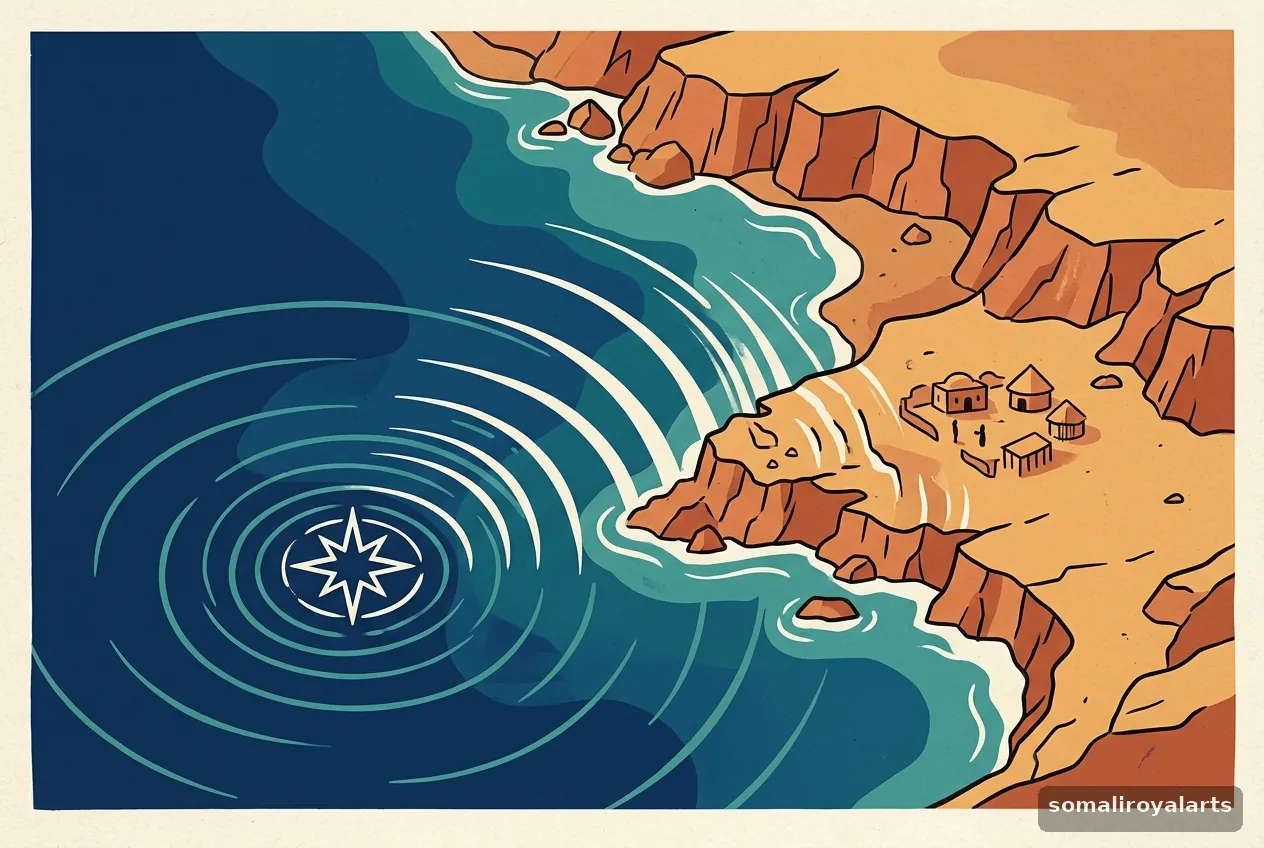
Puntland President Said Abdullahi Deni has spent the better part of a fortnight travelling across eastern Mudug, covering hundreds of kilometres of unpaved roads to reach settlements that rarely receive an official visitor. He spent Monday night in Towfiiq district, on the fourth day of that leg of the trip, reached Dhinowda on Tuesday and was due in the coastal town of Garacad on Wednesday. Puntland officials have described the visit as community reconciliation, local development and direct listening to residents. It has taken place without the ceremonies or parades that often accompany a Somali leader’s arrival in a region. The most pressing issue on the itinerary is recurring violence between the Sheekhaal and Surre communities. Disputes over grazing, water points and the movement of herds have killed people and displaced others across eastern Mudug in recent years. Deni has met elders, community leaders and residents in an effort to prevent another round of violence. Such quiet discussions do not usually produce a public announcement, but they can determine whether districts in eastern Mudug remain governable in the months when official attention moves elsewhere. The formal commitment to emerge from the trip is a peace gathering in Garowe, which Deni says he will attend personally. The conference has no published agenda, date or list of participants. However, the Puntland president has just spent two weeks with the communities the talks would concern, giving the proposed gathering a starting point that many reconciliation meetings do not have. Dhinowda faces a serious environmental problem as large shifting dunes bury parts of the settlement and the surrounding ground. The sand has swallowed houses, blocked routes and made land unusable for the herding and fishing that support residents. Deni visited to see the conditions firsthand. Puntland authorities have previously said they are seeking a long-term response to the sand belt extending along the coast from Dhinowda to Garacad, but no solution has yet been found and no external agency has offered to fund one. The desertification threatens more than the villages immediately affected because it endangers the commercial corridor connected to Garacad. The port is the only significant maritime infrastructure between Bosaso and Mogadishu, and the inland route from it carries livestock, fish and imports through this part of eastern Mudug. If the sand keeps advancing, fishing settlements along the shore have no alternative industry to turn to. Puntland is handling the sand problem and its campaign against Islamic State in the Calmiskaad mountains from its own budget, although the funds available are only a fraction of what both problems require. The presidential visit has drawn criticism from federal lawmakers and Galmudug officials, who argue that Dhinowda lies in territory claimed by Galmudug. They say the trip could deepen political tensions and disputes over administrative boundaries in Mudug, which has been divided between the two administrations since the early 1990s. Puntland officials say the visit is for peacebuilding, environmental assessment and engagement with local communities. No security deployment accompanied the trip into the contested settlements, no flag was raised at a district headquarters and no administrative appointment was announced. The boundary dispute remains sensitive, with federal lawmakers now publicly joining an argument that had historically been between the two state administrations. Earlier in August, when the federal president planned a trip to south Galkayo, Puntland put its forces on full alert and told neighbouring authorities that he would bear responsibility for what followed; he travelled anyway. Neither administration has submitted the Mudug boundary to arbitration, and the federal constitution provides no mechanism to settle it if they do. Visits to disputed settlements are therefore treated as assertions of territorial control. The political dispute on land coincides with insecurity along the coastline north of eastern Mudug. Unidentified aircraft carried out strikes near Garmaal on August 18 and near Jiifle on August 23, killing men whom relatives and neighbours identified as fishermen. Somalia’s state minister for defence said the federal government knew of the operations in advance and held sole authority to license them, but did not name the aircraft or force involved. Puntland’s information ministry said it had received no details, confirmed casualty figure or explanation, and opened its own investigation. The coast has also seen renewed piracy, with 13 vessels attacked in Somali waters this year, compared with five during all of 2025. Sand swallowing Dhinowda and clan violence are immediate problems that cannot wait for agreement on a map. The value of the Garowe gathering will depend on whether it helps stop clashes between the Sheekhaal and Surre and whether a response is found for land being lost to the dunes. Somali readers, particularly those connected to northeastern trade and fishing, have a direct interest in whether the Garacad corridor remains secure and economically usable.
Read our sourcing and corrections policy
This article was prepared by our automated editorial system, which summarized and translated the source above. No human editor reviewed this article individually before publication.
Be the first to comment on this story!