US Military Mission in Somalia Failing and Unnecessary, Think Tank Reports
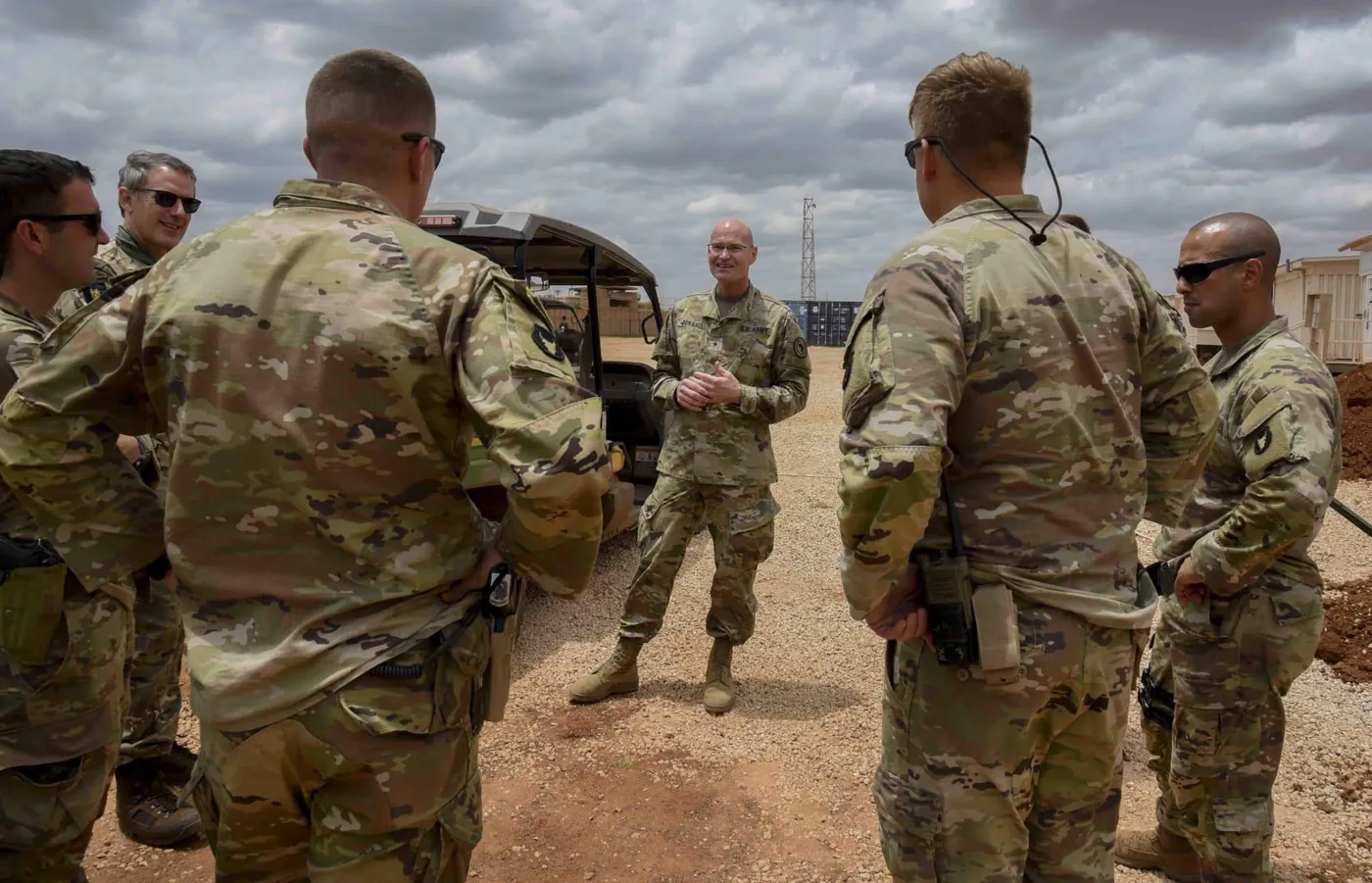
A prominent Washington-based think tank is calling on the United States to end its intensifying military operations in Somalia, arguing that local armed groups do not pose a direct threat to the American homeland. Defense Priorities released a report on Tuesday concluding that years of US air strikes, troop deployments, and military assistance have failed to defeat Al-Shabaab and the local Islamic State affiliate. William Walldorf, a senior fellow at the think tank and author of the report, stated that the United States has very few security or other interests in the country, noting that these factions remain focused on regional conflicts and lack the intention or capability to execute a major attack within the US. The organization warned that continued military involvement could inadvertently strengthen the armed groups' propaganda efforts, entangle Washington further in a protracted conflict, and draw valuable resources away from more pressing national security priorities. This assessment directly contradicts the primary justification offered by US military leaders, who maintain that operations in Somalia are essential to stop jihadist groups from targeting Americans at home and abroad. US Africa Command, or AFRICOM, coordinates its air strikes with Somalia's federal government to degrade militants and support ground offensives. The call for withdrawal arrives during an unprecedented escalation in American bombing; AFRICOM has reported approximately 80 air strikes during the first seven months of 2026, following roughly 125 operations last year. This represents the most intensive period of US aerial bombardment since the mission began. The surge follows a policy shift by US Defense Secretary Pete Hegseth, who granted field commanders expanded authority to authorize attacks without requiring approval from senior officials in Washington. Most of these recent air strikes have targeted Al-Shabaab positions in southern and central Somalia, as well as Islamic State militants sheltering in the mountainous Bari region of Puntland. While AFRICOM asserts that the operations give Somali government forces a crucial advantage, the actual impact remains heavily disputed. Following operations by government forces and allied clan militias that captured significant territory in 2022 and 2023, Al-Shabaab launched a major counteroffensive in 2025 to successfully recapture numerous towns and rural areas. Although Somali national forces have since fortified their defenses around Mogadishu and reclaimed some strategic points, extensive portions of the country remain highly contested. A June report by the International Crisis Group described the conflict as having reached an impasse, with neither side appearing capable of securing a definitive military victory. While Al-Shabaab, an Al-Qaeda affiliate, has fought the internationally backed government for nearly twenty years and continues to carry out bombings in Mogadishu, Islamic State-Somalia operates on a smaller scale. However, the IS affiliate has established an important role within its broader global network, particularly concerning financial operations and coordinating the movement of foreign fighters. Despite warnings from military commanders that Africa is becoming a central hub for global jihadist activity, Defense Priorities argues that the mere presence of these groups does not equate to a direct threat to the United States. Internal divisions among US officials regarding the Somali mission have surfaced previously. In his 2022 memoir, former Defense Secretary Mark Esper revealed that AFRICOM actively resisted his attempts to scale back the American military footprint. Esper had concluded that the danger posed by Al-Shabaab was minimal, but he noted that commanders feared a reduced threat assessment would jeopardize their resources. Troop levels have fluctuated accordingly; President Donald Trump withdrew about 700 troops late in his first term, but President Joe Biden subsequently deployed approximately 450 troops back to the country in 2022 to advise and assist local forces. These troops remain in Somalia following Trump's return to the presidency. While the Pentagon does not publish a comprehensive financial account of the mission, Defense Priorities estimated that US operations have likely cost hundreds of millions of dollars, concluding that the expense is not justified. The think tank urged the Trump administration to gradually halt the air campaign, establish a clear timetable for a complete troop withdrawal, and transfer security responsibilities to neighboring countries in the Horn of Africa, arguing they have far more at stake in the region's stability. Any reduction in US air support directly impacts the Somali National Army's operational capacity, as federal forces heavily rely on American drones and warplanes to hold contested rural areas during major offensives. Without Washington's financial and aerial backing, the burden of financing and equipping front-line operations against Al-Shabaab will shift entirely to the federal government in Mogadishu and regional troop-contributing nations.
Read our sourcing and corrections policy
This article was prepared by our automated editorial system, which summarized and translated the source above. No human editor reviewed this article individually before publication.



Be the first to comment on this story!