Puntland Demands Account For Unidentified Naval Strikes Off Its Coast
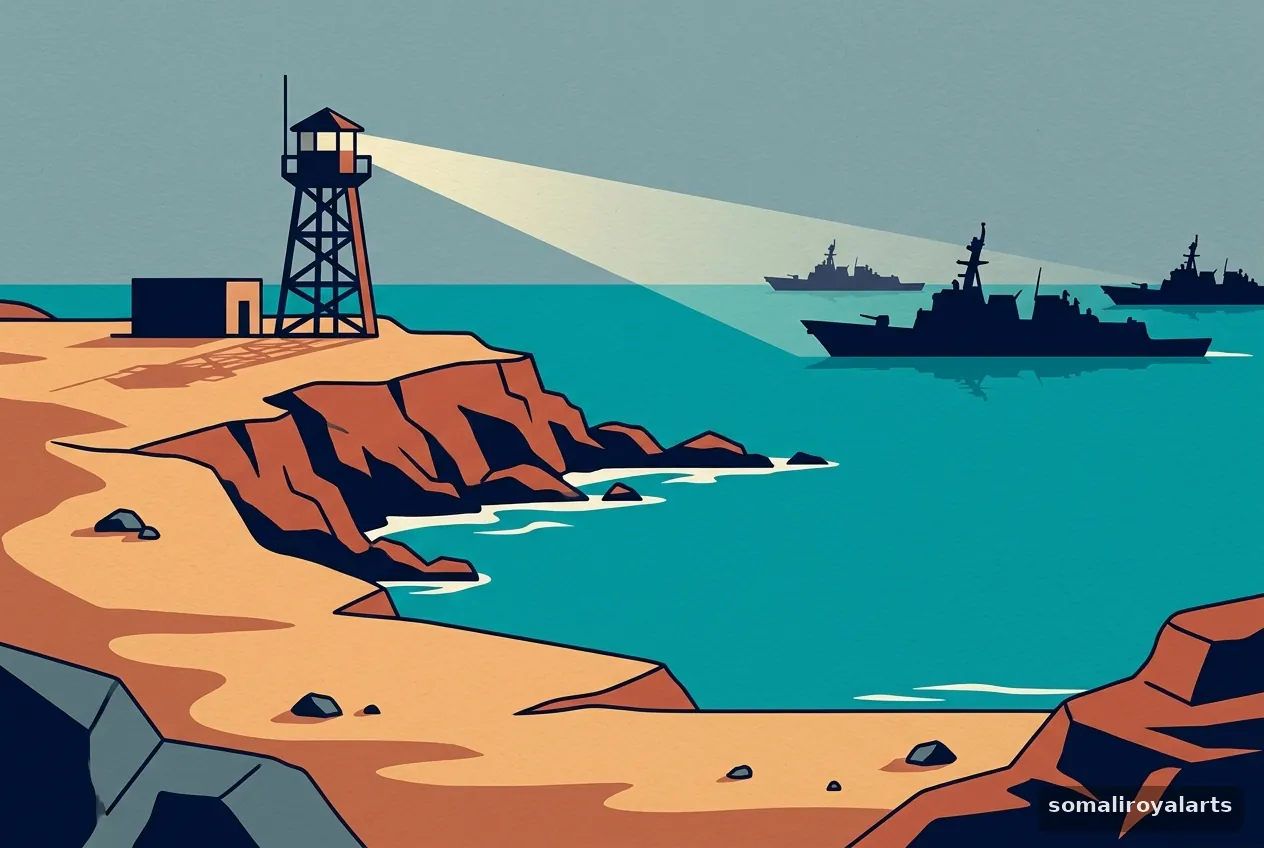
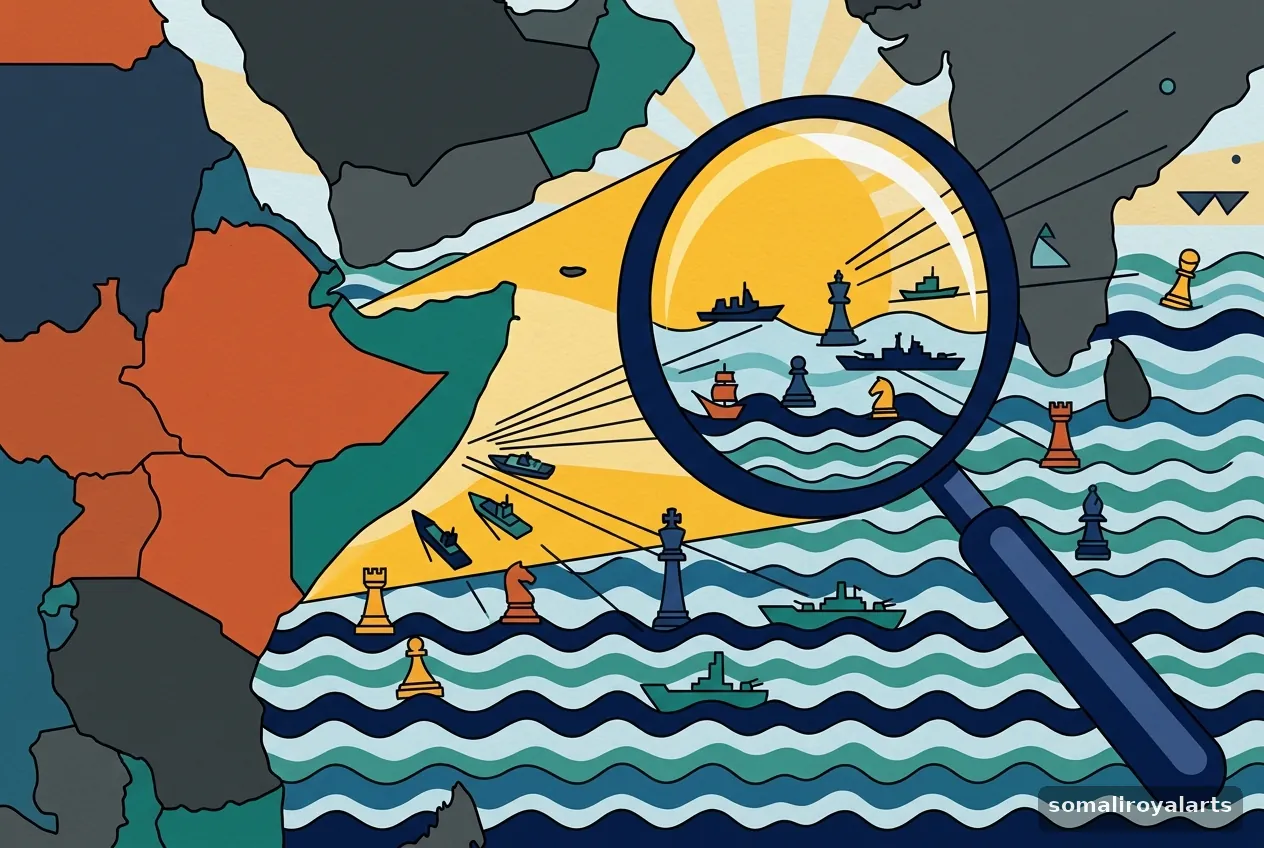
Puntland’s Ministry of Security issued a formal demand on Friday requiring international governments to explain naval strikes along its coastline, following attacks that reportedly killed local fishermen. The administration in Garowe condemned military operations near Garmaal, where hijacked vessels are currently anchored, after unidentified aircraft and warships struck the Nugaal coastal belt on August 18 and August 20. Four men were buried in the area on Thursday. Local residents identified three of the dead as fishermen with no connection to the armed groups holding ships offshore, and victims' relatives have publicly accused Turkiye of carrying out the strikes. The ministry warned that uncoordinated military action endangers civilians and fractures the cooperation necessary to police the region's waters. The immediate trigger for the coastal strikes appears to be the seizure of the Lutuf, a cargo ship boarded by eight armed men four nautical miles off Mareeyo on August 17. The vessel was carrying Turkish weapons and military supplies destined for a training centre operated by Ankara in Mogadishu. Ten crew members were aboard, including individuals from India, Turkiye, Georgia, and two security contractors from Serbia. While Puntland has demanded an accounting of the subsequent military response, the federal government in Mogadishu has remained completely silent. Analysts note that Villa Somalia, which relies heavily on Turkish air support, military instructors, and a bilateral maritime agreement, is unlikely to ask Ankara to explain strikes launched to recover its own military freight. Prior to Friday, the only federal-level comment came independently from a former foreign minister. The demand for answers forms part of a wider territorial and political dispute between Garowe and the federal government. Puntland asserts jurisdiction over its coastline, arguing that since the strikes landed on its territory and its investigators are on the scene, it is owed a direct explanation from the navies involved. This aligns with Garowe’s broader pushback against federal security policies since 2023. While demanding accountability, Puntland has offered to continue working with international navies to secure the release of hijacked ships. Garowe has also formalised its political accusations, with the security ministry announcing a special investigation into whether forces outside Puntland are orchestrating the hijackings for political and economic gain. This follows public claims by Puntland President Said Abdullahi Deni, who alleged that the federal government created the pirate networks operating off the north-eastern coast. The ministry document provided no evidence or timeline for the investigation, but it frames the maritime crisis and foreign interventions as a unified problem occurring within its borders. The scale of this maritime crisis has accelerated sharply over the past eight months. On Thursday, six armed men boarded the Eritrea-flagged tanker Sibu 1 off the coast of Yemen and diverted it toward Somalia. The United States Treasury had sanctioned the vessel in December for its involvement in a shadow fleet transporting Iranian petroleum products. This marks at least the thirteenth ship attacked off Somalia or in the Gulf of Aden this year, compared to just five attacks recorded throughout 2025. Currently, armed groups hold six vessels and more than a hundred crew members, with the two most recent hijackings occurring four days apart. Researchers attribute the spike to shifting international naval deployments. Forces that previously patrolled the Somali Basin have redeployed to the Red Sea and the Strait of Hormuz due to conflicts involving Iran and Houthi forces, while high oil prices make tankers lucrative targets. An Institute for Security Studies researcher noted that past piracy was suppressed rather than eradicated, and foreign trawlers depleting local fishing grounds remain unchecked. Jay Bahadur of Scopus Insights dismissed Houthi involvement in the Sibu 1 hijacking, pointing instead to established Yemeni and Somali criminal networks focused on arms and human smuggling. Meanwhile, Egypt opened its own channel for sailors taken off the Somali coast, an action Mogadishu has not publicly matched. The federal government's silence over the coastal strikes contrasts with its recent declarations of sovereignty. Days before the first strike, President Hassan Sheikh Mohamud told African Union troops that Somalia no longer required foreign peacekeepers, even as the mission faces a severe funding crisis. Yet a week later, unaccountable foreign forces conducted lethal operations on a Somali beach without federal comment. Under a ten-year maritime agreement, Turkiye committed to defending Somalia's waters in exchange for exclusive economic zone revenues, making a foreign force the primary respondent to hijackings—yet Mogadishu has never disclosed the number of Turkish strikes, their targets, or the rules of engagement inside Somali territory. Puntland’s written demand will likely receive no official reply, as international naval coalitions rarely answer to sub-national authorities, and no foreign state has yet acknowledged carrying out the strikes. However, the move places the casualties of local coastal residents firmly on record. For the Somali fishing communities living along the coast from Eyl to Garmaal, this diplomatic standoff means the waters essential to their livelihood have turned into contested conflict zones, leaving local fishermen caught between armed pirate networks and unaccountable foreign airstrikes operating without federal oversight from Mogadishu.
Read our sourcing and corrections policy
This article was prepared by our automated editorial system, which summarized and translated the source above. No human editor reviewed this article individually before publication.


Be the first to comment on this story!