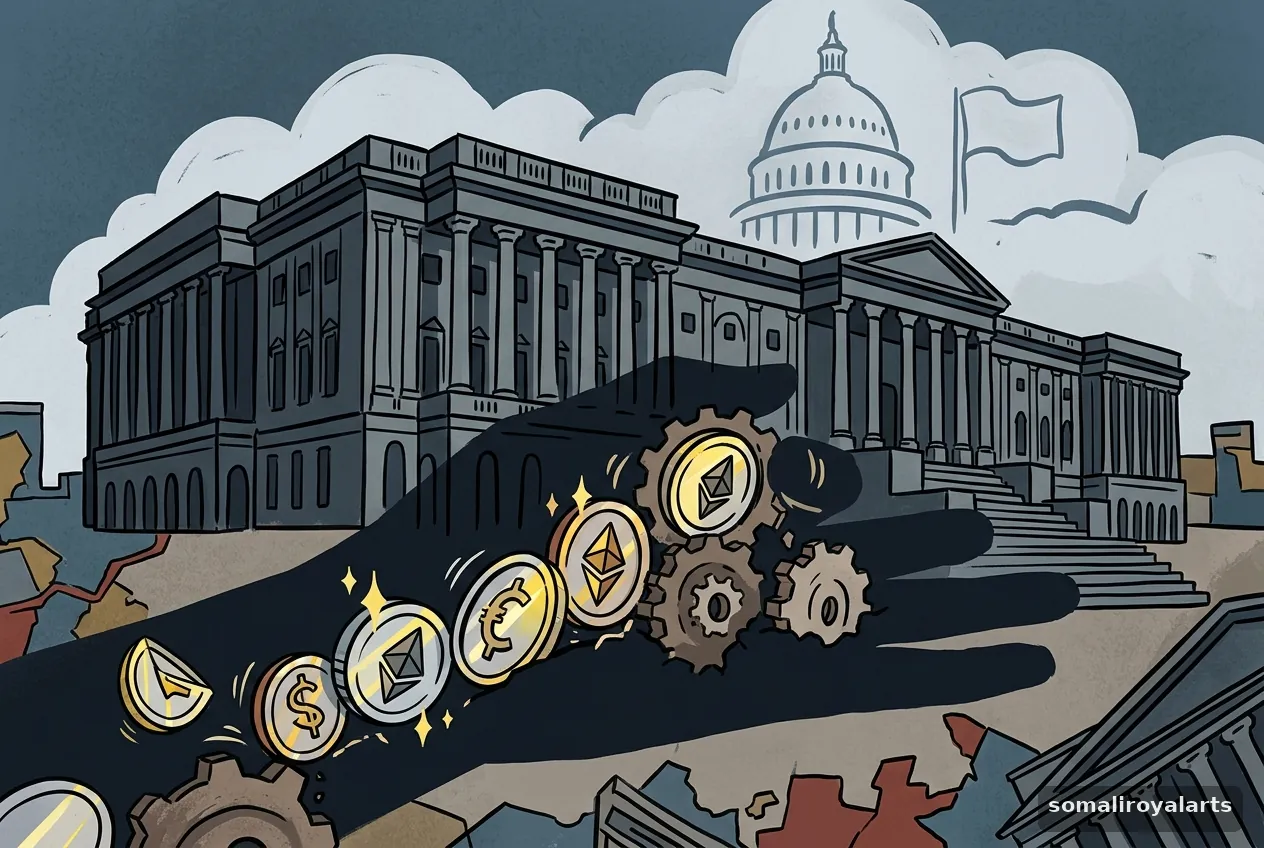
SEC Again Delays Tokenization Exemption Amid Legal Concerns
The U.S. Securities and Exchange Commission (SEC) has again delayed its planned “innovation exemption” for tokenized securities amid White House concerns and internal questions about the agency’s legal authority. A person familiar with the discussions said the White House feared the exemption could complicate congressional negotiations over the Digital Asset Market Clarity Act. SEC staff are also examining whether the agency has completed sufficient economic analysis and followed the procedural steps needed to justify such broad relief. One central issue is how blockchain-based trading venues would comply with existing equity-market rules, particularly brokers’ obligation to seek the best execution for customers. Regulation NMS links prices across exchanges and generally requires trades to be executed at the best available protected quotation. Applying that framework becomes more complicated when tokenized securities trade through decentralized venues or automated market makers with different pricing and execution costs. In June, the SEC proposed eliminating Rule 611 of Regulation NMS, known as the Order Protection Rule. The move is widely viewed as removing a major regulatory obstacle to tokenized securities trading. However, SIFMA has argued that broad market-structure changes should not be introduced through exemptions or no-action relief. The SEC had appeared ready to release the exemption in May after repeatedly postponing its self-imposed deadline. Companies that issue securities raised concerns that the proposal might permit synthetic security tokens not directly tied to control of the underlying asset. SEC Commissioner Hester Peirce said she did not expect the exemption to include such tokens and anticipated that it would cover digital representations of the same underlying equity securities available to investors. Tokenization continues to attract Wall Street’s attention. Nasdaq and the New York Stock Exchange have announced plans to develop infrastructure for tokenized securities, while the DTCC processed its first live production trades involving tokenized securities last month during a test phase. Citi analysts project that tokenized assets could become a $5.5 trillion market by 2030. The delay leaves Somali crypto users and diaspora investors with continued uncertainty over when tokenized securities will fit clearly within U.S. market rules.
Read our sourcing and corrections policy



Be the first to comment on this story!