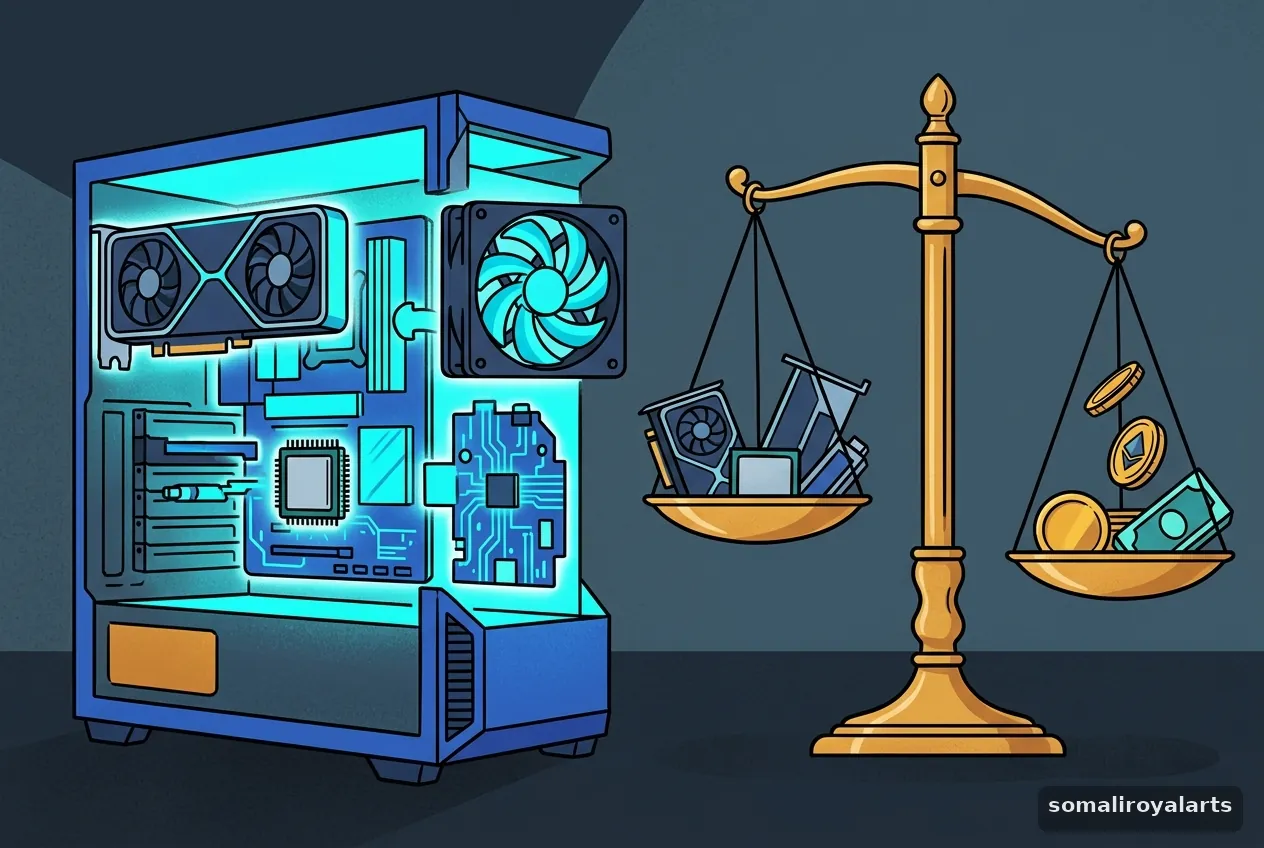
Building a $1,300 Gaming PC in 2026 Despite Rising Hardware Costs
Building a capable gaming computer for under $1,500 is becoming increasingly difficult. The recent artificial intelligence boom has pushed prices for critical components, particularly graphics cards and DDR5 memory, to record highs. Despite these difficult market conditions, assembling a new machine between the $1,000 and $1,500 mark is still achievable. A carefully selected combination of parts can currently be put together for approximately $1,300, provided buyers are willing to make sensible compromises on aesthetics and absolute top-tier hardware specifications. This $1,300 configuration delivers enough processing power to handle both competitive multiplayer shooters and demanding single-player experiences. It comfortably runs Counter-Strike 2 and Valorant at high refresh rates, while managing visually heavy games like Cyberpunk 2077 and Resident Evil Requiem. The hardware is also capable enough to prepare players for future major releases, including the highly anticipated GTA 6. Equipped with an 8GB Nvidia RTX 5060, the system targets reliable medium graphical settings at 1080p and 1440p resolutions for the newest games. If a player is willing to lower the graphics settings further, they can achieve even higher frame rates. For older titles from the previous gaming generation, the GPU retains enough raw power to handle 4K gaming. To maintain the strict budget and keep the overall price down, the build uses a Gamemax M60 case, which currently costs only $51 based on US pricing from Newegg. This Micro ATX chassis intentionally skips expensive RGB lighting in favor of basic functionality. It pairs well with the ASRock B650M Pro RS WiFi motherboard selected for this guide. The inclusion of built-in WiFi on the budget-friendly ASRock board removes the need to spend additional money on a separate wireless network card, which is essential for users unable to run a direct ethernet connection to their gaming setup. Additionally, the Gamemax case supports graphics cards up to 340mm in length, leaving ample physical room to install larger hardware if the owner decides to upgrade the GPU in the future without buying a new case. Processing duties are handled by AMD's Ryzen 5 9600X, a six-core, 3.9 GHz processor that provides strong gaming performance at a low price tag of $199. This CPU consistently exceeds the minimum and recommended system requirements for most modern video games, maintaining the serious value proposition of the Zen 5 lineup. To keep the processor temperatures in check without overspending, the build relies on an affordable MSI MAG COREFROZR AA13 air cooler. Rated for a maximum thermal design power (TDP) of 240W, this specific cooler is more than capable of managing the heat output of the Ryzen 5 9600X during heavy gaming sessions. Memory and storage costs clearly reflect the current market challenges. The build includes 16GB of DDR5 6000 RAM from reputable manufacturer Corsair, currently priced at a steep $249 for two 8GB sticks. While 16GB is now viewed as the absolute minimum baseline required to play the latest releases, using two sticks leaves two remaining DDR5 slots on the ASRock motherboard open. This ensures a relatively simple upgrade path to 32GB of RAM for games releasing further down the line. For storage, steep price rises mean even a standard 1TB M.2 SSD costs $160. These fast drives are a strict necessity for running current games properly. Buyers wanting to store older games and general files should consider adding a cheaper mechanical hard drive later, which provides extra gigabytes at a much lower cost. The graphics card remains the most expensive single component of the entire machine. The Nvidia RTX 5060 8GB powers the visuals for this entry-level build. Unfortunately, the entire RTX 50 family has seen steep price increases throughout the current year, forcing budget builders to spend a larger portion of their funds on the GPU. Supplying reliable and adequate power to both the RTX 5060 and the Ryzen 5 processor is an ASRock 650W power supply. This guide acts as a starting point rather than a strict blueprint; builders can swap components or push the budget slightly higher depending on their exact needs. Sourcing these specific 2026 components in East Africa requires importing them directly, as local electronics markets rarely stock the newest RTX 50-series cards or high-speed DDR5 memory kits at US retail prices. Shipping heavy items like power supplies and desktop cases from international retailers adds significant customs fees and freight charges, substantially increasing the final expense for buyers in Mogadishu, Hargeisa, or the wider diaspora.
Read our sourcing and corrections policy
This article was prepared by our automated editorial system, which summarized and translated the source above. No human editor reviewed this article individually before publication.


Be the first to comment on this story!