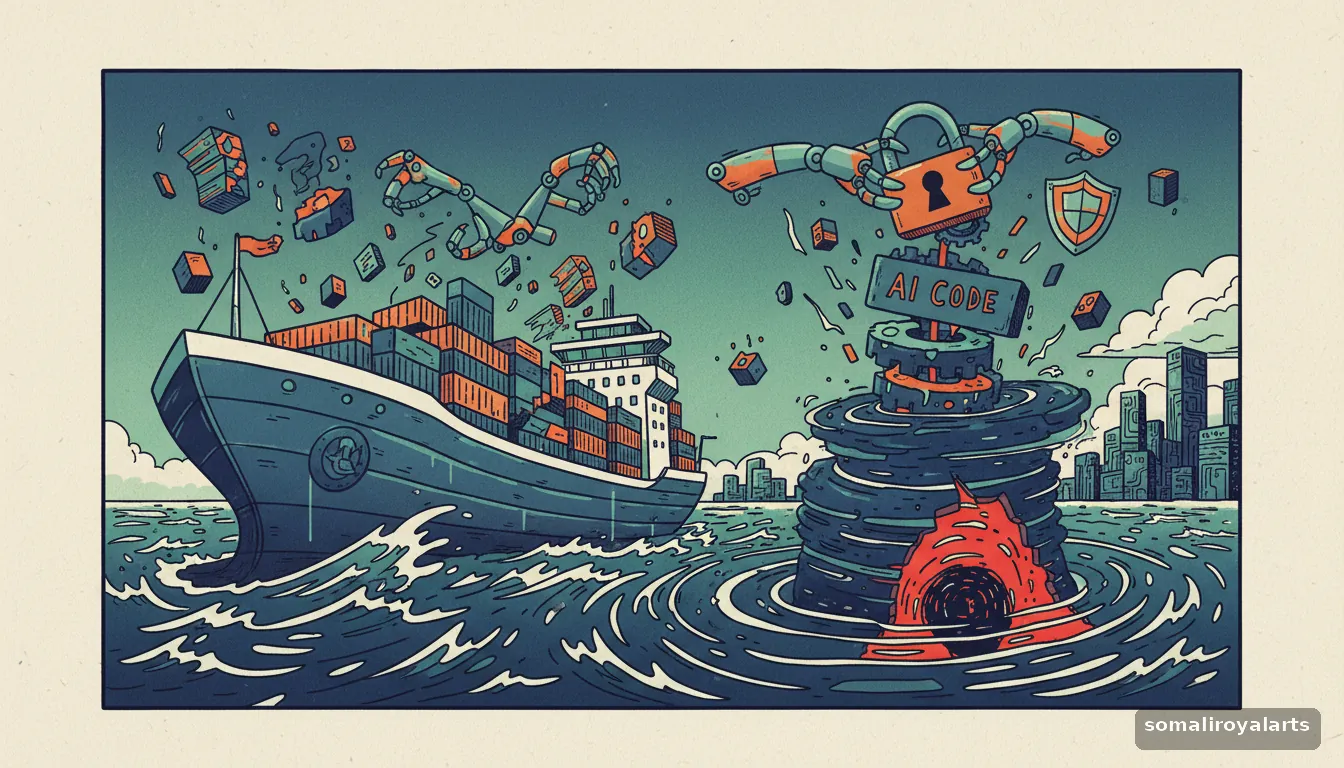
AI Coding Speeds Development but Builds Security Debt
Developers are adopting AI coding tools to write software faster and reduce routine work. While engineering teams benefit from that speed, rapid code generation can bring a significant secondary effect. AI tools can introduce new open-source packages into an environment at a pace that traditional security teams may not be equipped to manage. The core issue is not AI-generated code itself, but the external dependencies that can be added to a project. A developer can add an open-source component within minutes. However, a security team still needs to assess each addition for vulnerabilities, licensing, maintenance, ownership, and whether the package should be present at all. Because code can be produced faster, security review work can accumulate. This mismatch creates what ActiveState describes as remediation debt: security work building up faster than teams can close it. As AI tools become more autonomous, that gap could widen, leaving organizations with a growing volume of unresolved security work. To examine the issue, ActiveState surveyed 300 security and engineering leaders across technology, financial services, healthcare, manufacturing, and government. The research looks at how enterprise teams are handling AI-driven open-source risk, where remediation programs are struggling, and how remediation debt relates to audit failures, breach frequency, and lost productivity. The supplied material does not provide figures showing that a growing backlog directly causes failed audits, more breaches, or lower productivity. Instead, it says the webinar examines those relationships and presents the research findings, allowing organizations to compare their own programs with the experience of other enterprises. ActiveState is presenting the findings in an AI Coding and Open Source Risk webinar. The session gives engineering leaders a way to benchmark their security programs against what other enterprises are seeing. That comparison can help companies judge whether their existing controls are keeping up or are shifting unresolved work further down the line. The presentation focuses on practical questions rather than general warnings about artificial intelligence. It considers what open-source risk is becoming, how other organizations are dealing with it, and where current processes may need to change before AI-generated code expands further. For Somali developers and technology teams in Soomaaliya, the practical issue is that speed does not remove the need to check every dependency an AI tool adds. Smaller teams without dedicated security staff may need to reserve time for that review as part of their development work.
Read our sourcing and corrections policy
This article was prepared by our automated editorial system, which summarized and translated the source above. No human editor reviewed this article individually before publication.


Be the first to comment on this story!