Netflix Interactive Horror Game Integrates Mobile Phones as Controllers
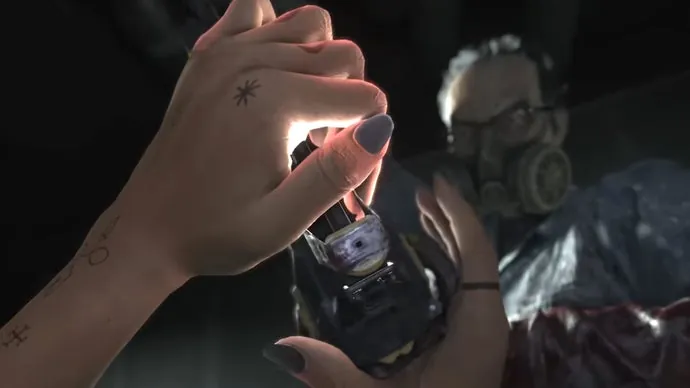
Netflix has released a new interactive horror game titled "Unhinged," developed by the Oxenfree creators at Night School. The title introduces a notable mechanical twist to the streaming platform's growing interactive library: it turns the player's real-life smartphone into the protagonist's in-game device. By blending the physical hardware in the player's hand with the digital events unfolding on the television, the game creates an experience that connects the living room directly to the narrative space. The integration begins immediately before the story properly starts, as rain batters a darkened apartment window on screen. Players must scan a QR code on their primary display to synchronize their mobile device with the Netflix application. Once this brief setup is complete, the physical phone effectively becomes the device owned by Ava, the game's protagonist. When an incoming call from a friend appears on the television, the player's actual phone lights up and buzzes, requiring them to answer the call using their own touchscreen to quiet the noise. This dual-screen setup divides the player's attention deliberately to build tension. The television displays a traditional first-person perspective, streaming directly from Netflix servers. Players navigate Ava through a gloomy, storm-battered apartment building during a power outage. Meanwhile, the connected smartphone uses its internal gyroscope to control an on-screen pointer. This pointer is represented primarily as a flashlight beam cutting through the darkness, allowing players to investigate the environment and interact with specific hotspots to guide Ava forward. The narrative unfolds heavily through this mobile interface, acting as an economical method for world-building. As Ava explores the dark hallways, her phone receives anxious voice calls from her friend Claire, who is watching the apartment from across the street. The companion app also simulates a complete messaging interface, allowing players to read through Ava's past text exchanges with an elderly neighbour, a recent ex-partner, and a suspicious building superintendent. These texts establish the setting and relationships quickly before the horror elements take over. The experience is designed to be a brisk, highly choreographed thriller, lasting roughly 45 minutes once the pacing accelerates. After an early jump scare involving a lightning flash at the window, the situation deteriorates rapidly. The game features a strong cast, with Zoë Kravitz and Sadie Sink providing compelling, sympathetic performances for the lead characters, even if their physical on-screen presence is limited. Troy Baker also provides voice work, though his instantly recognizable tone may inadvertently spoil a specific narrative reveal for familiar players. Unhinged arrives during a highly transitional period for Netflix's video game division. The company's gaming strategy has shifted multiple times over a short period. It moved from offering basic mobile tie-ins alongside subscriptions, to investing in major studio acquisitions for a high-budget title that was ultimately canceled before release. More recently, the platform has pivoted toward casual, phone-controlled party games, targeting audiences that traditional console manufacturers often overlook. Against this backdrop, the release represents a return to the kind of interactive narrative experiments many expected when Netflix first announced its gaming ambitions. For developer Night School, acquired by the streaming service in 2021, the project is a focused demonstration of their ability to craft tense narratives. Following the release of Oxenfree 2, their output has been relatively quiet, but the precise execution of these fourth-wall-breaking mechanics suggests they remain a highly capable internal studio. While the game relies heavily on familiar horror conventions and its short runtime may prevent it from leaving a lasting cultural impact, the execution of the central gimmick makes it an effective thriller. The interaction between the physical phone and the streamed video creates a genuinely tense atmosphere. By forcing the player to look down at their own hands while navigating a dark, threatening environment on the main screen, the studio executes its core concept with impressive attention to detail. Because the game streams the main visual feed to a television while simultaneously running a synced application on a smartphone, players in Somalia and across the diaspora will need a stable home broadband connection rather than relying on limited mobile data packages to experience the 45-minute story smoothly.
Read our sourcing and corrections policy
This article was prepared by our automated editorial system, which summarized and translated the source above. No human editor reviewed this article individually before publication.



Be the first to comment on this story!