Saudi, UAE officials signal unity after months of tension
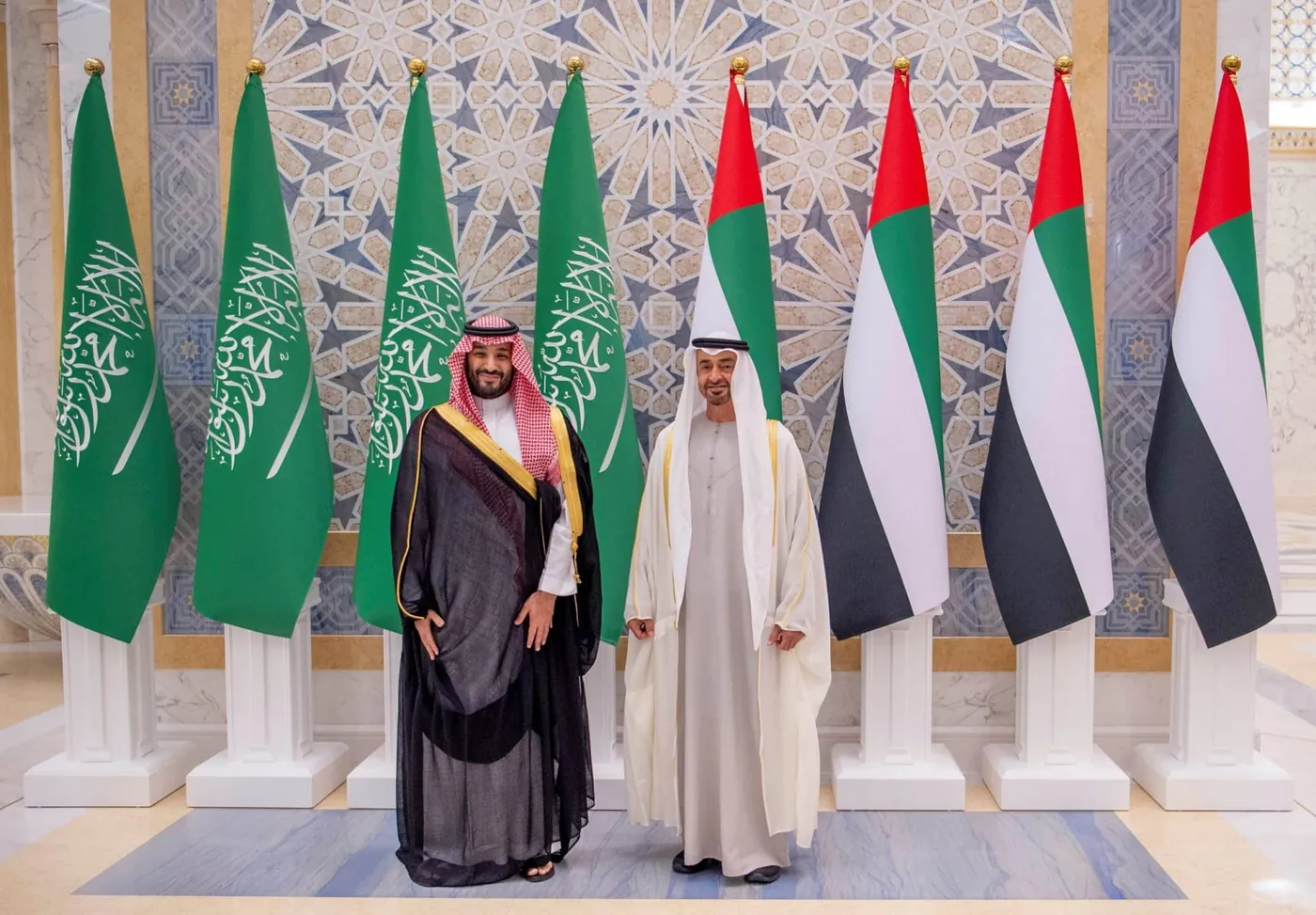
Senior officials from Saudi Arabia and the United Arab Emirates have issued coordinated public statements affirming their close relationship, aiming to defuse months of visible diplomatic tension. The messaging on Tuesday focused on shared history and leadership, marking a clear attempt to reset the tone between the two Gulf powers after a period of open friction. Neither government announced a formal diplomatic initiative, and Saudi officials did not disclose what specifically prompted the sudden wave of messages. The statements directly followed months of open criticism traded by influential commentators, social media accounts, and news organizations operating in both nations. Emphasizing a united front, senior official Alhamed stated that relations between the two countries are an "extension of a shared history and deep-rooted fraternal ties between two brotherly peoples, united by a single destiny." Echoing this sentiment, Al-Dosary described the nations as being guided by a shared heritage and "wise leadership in both countries," with both officials urging the media to support these ties rather than undermining them. This coordinated push for unity included figures close to the ruling families. Turki Alalshikh, a confidant of Saudi Crown Prince Mohammed bin Salman, posted a photograph demonstrating closeness between the nations. He highlighted a "deeply rooted partnership," adding that spears refuse to break when together, but snap if they part. The current public warmth contrasts sharply with the serious disputes that surfaced late last year, primarily concerning the ongoing war in Yemen. The two countries originally entered the conflict as close allies in 2015, but their priorities on the ground eventually diverged. Saudi Arabia maintained its backing for Yemen's internationally recognized government, while the UAE developed close ties with southern separatist forces. This tactical split exposed a rare and dangerous confrontation when Saudi Arabia carried out an air strike on what it identified as a shipment of UAE military equipment intended for an Abu Dhabi-backed Yemeni faction. Beyond the battlefield, economic competition has heavily strained the alliance as Saudi Arabia actively works to position Riyadh as the primary commercial hub of the Gulf. Riyadh has introduced new regulations explicitly designed to encourage international companies to relocate their regional headquarters to the kingdom. This push directly challenges Dubai's long-established position in regional trade, finance, and tourism. In a further sign of deteriorating relations, some Emirati companies withdrew from a major defense exhibition held in Riyadh in February, and the UAE subsequently blocked the X accounts of the Saudi-owned Al-Arabiya television network in March. Energy policy and regional influence have driven an even deeper wedge between the two capitals. The UAE previously challenged Saudi-backed production plans within the OPEC oil producers' group, arguing that its rising production capacity entitled it to a higher output quota. The most significant break occurred in May, when the UAE formally left OPEC and the wider, Saudi-led OPEC+ alliance. While an official stated the departure was not driven by political considerations and did not reflect a split with regional partners, the move highlighted deep disagreements over oil strategy and responses to the broader war involving Iran. Despite these severe economic and political clashes, rising external threats are forcing Riyadh and Abu Dhabi to reaffirm their shared security interests. Growing regional instability has strengthened calls for unity among the six members of the Gulf Cooperation Council. Iran-aligned Houthi forces have renewed their threats against Red Sea shipping, announcing a maritime blockade specifically targeting Saudi Arabia. The group has also threatened vessels using Saudi ports near the Bab al-Mandeb strait, which is a critical maritime gateway between the Red Sea and the Gulf of Aden. In response to the escalating threats in the Red Sea, Saudi military spokesman Major General Turki al-Malki warned that any actions against commercial vessels would meet a "swift and firm" response, labeling the threats as a clear violation of international law and acts of maritime piracy. The renewed pressure on critical shipping lanes demonstrates that Saudi Arabia and the UAE share fundamental security vulnerabilities, even as they increasingly compete for geopolitical and economic influence. Commentator Baharoon described the period of friction as a "storm in a cup," noting that while worse tensions have occurred previously, the recent disputes were never strategic in nature. He suggested that while both governments have likely adapted their policies in response to the disagreements, the reality remains that their common interests in the region far outweigh their current divergences. The security of the Bab al-Mandeb strait and the wider Red Sea directly dictates the flow of commercial shipping into East Africa. Any armed conflict or blockade in these waters immediately delays cargo ships and raises freight insurance costs for imported goods arriving at ports in Somalia and Djibouti, directly increasing the price of basic commodities in local markets.
Read our sourcing and corrections policy
This article was prepared by our automated editorial system, which summarized and translated the source above. No human editor reviewed this article individually before publication.



Be the first to comment on this story!