US accounting board proposes strict cash equivalent rules for stablecoins
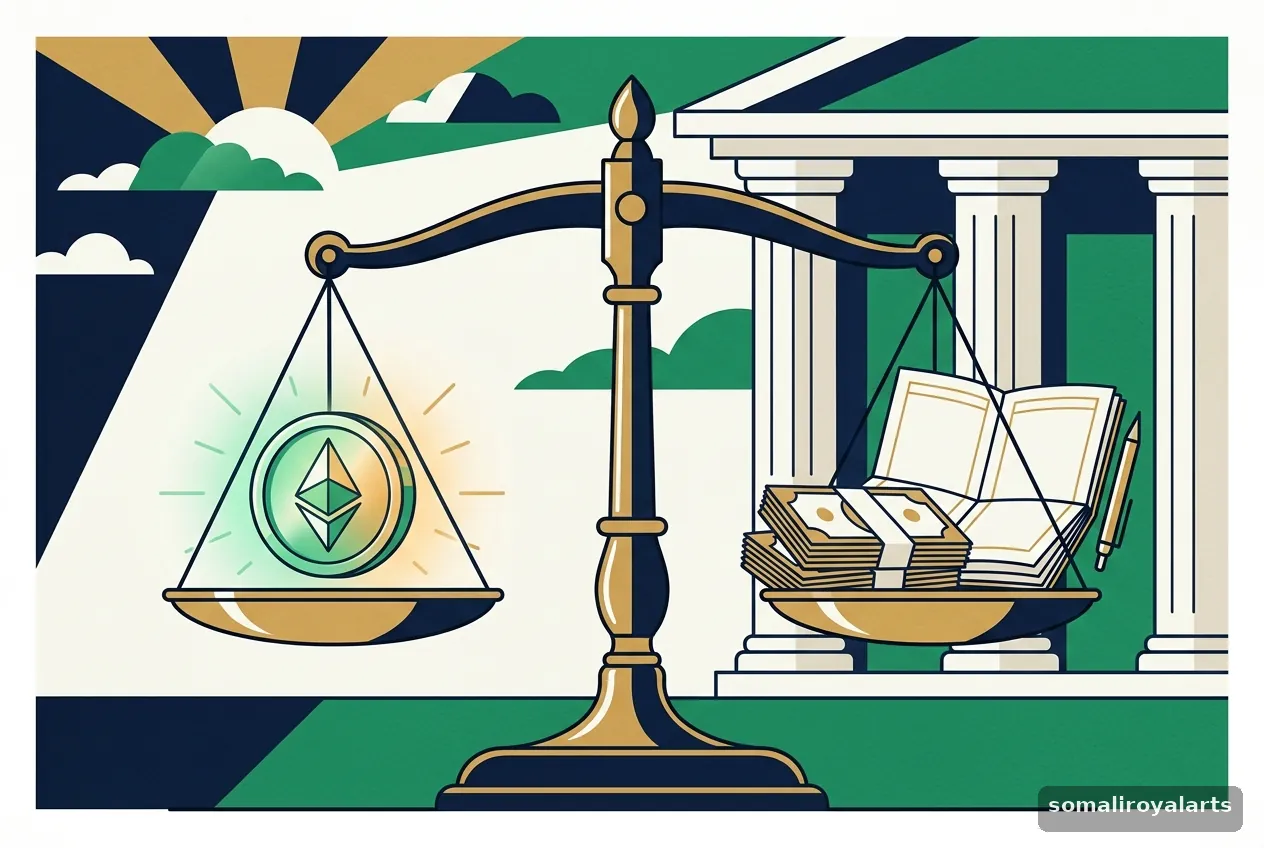
The United States Financial Accounting Standards Board (FASB) proposed new guidance on Tuesday detailing the strict conditions under which digital assets, including stablecoins, can be treated as cash equivalents on corporate balance sheets. The proposed Accounting Standards Update aims to resolve the inconsistent reporting of digital assets by companies. Rather than changing the existing definition of a cash equivalent, the board plans to add specific illustrative examples to guide accountants. To qualify as a cash equivalent under the proposal, a digital asset must come with an on-demand contractual right allowing the holder to redeem it directly with the issuer for a known cash amount. The issuer must also maintain at least one-to-one segregated reserves in short-term, highly liquid assets. The FASB provided explicit examples of what would fail the test. A token that can be easily traded on an active secondary market will not qualify if the holder does not possess a direct redemption right with the original issuer. Additionally, tokens backed by mixed or volatile reserves, such as other cryptocurrencies or gold, are entirely disqualified from cash equivalent status due to the valuation risks involved. Companies will still retain the final choice on whether to present qualifying digital assets as cash equivalents. When making this decision, businesses are required to consider all relevant laws and regulatory frameworks. Somali traders and diaspora networks frequently use stablecoins to move funds across borders without traditional banking delays. While these US corporate accounting rules do not restrict individual mobile wallets or peer-to-peer transfers, they establish a standard for how large corporations must assess the digital assets that back those daily transactions.
Read our sourcing and corrections policy
This article was prepared by our automated editorial system, which summarized and translated the source above. No human editor reviewed this article individually before publication.

Be the first to comment on this story!