New Spectre Attack Leaks Cloudflare Workers Data at 12 Bits Per Second
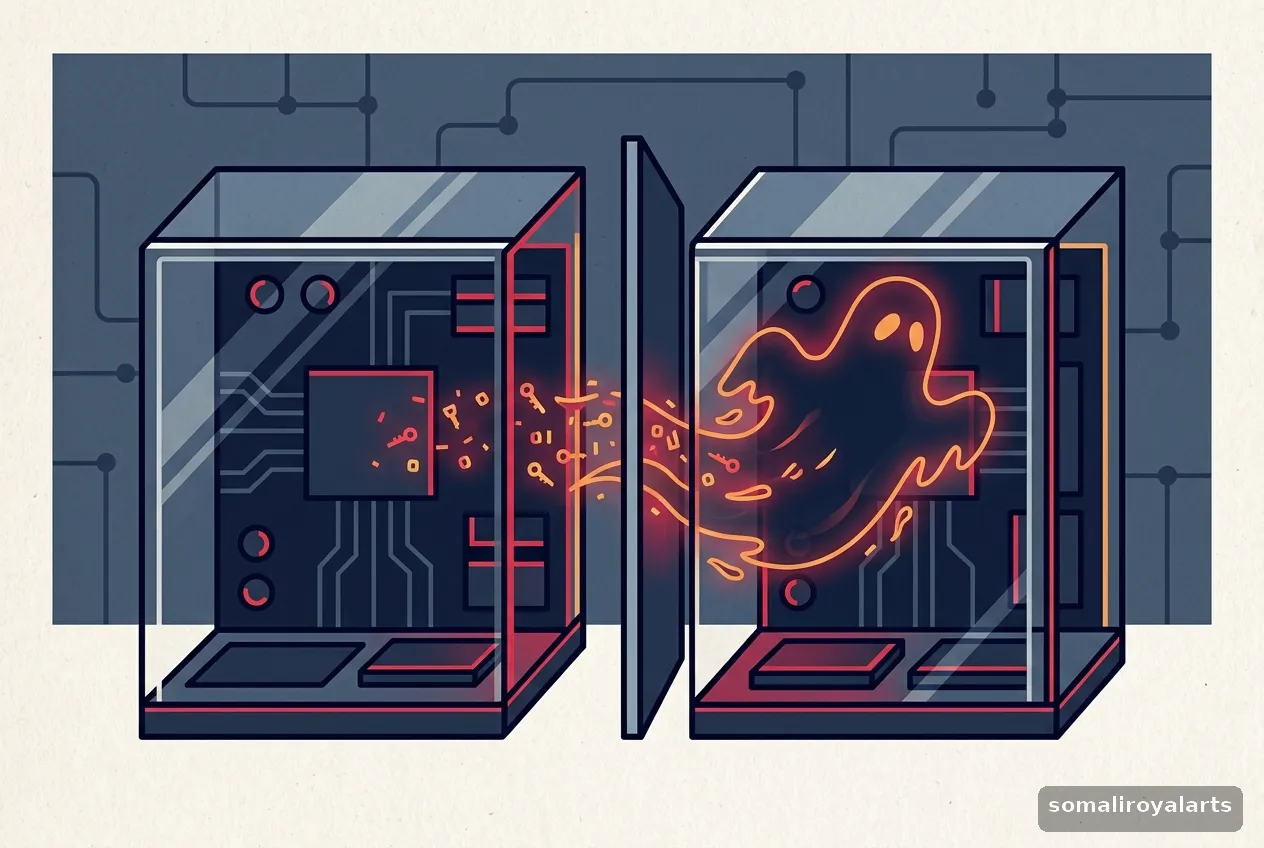
Cybersecurity researchers have demonstrated a remote Spectre attack against Cloudflare Workers, extracting data from a co-located application in a production environment. The attack managed to leak a JSON Web Token (JWT) at a rate of up to 12 bits per second. This data extraction rate is 360 times faster than an earlier attack demonstrated on the platform in 2021, representing an escalation in the threat posed by side-channel vulnerabilities in serverless computing. The end-to-end experiment involved an attacker Worker and a victim Worker, both controlled by the researchers. To verify the exploit, the team intentionally placed the JWT into the victim Worker's memory. According to the research paper, no customer data was accessed. Cloudflare stated that the attack has already been mitigated in production after updating its defenses, adding that it found no indicators of active exploitation over the last three years. To achieve low startup latency, Cloudflare Workers runs code from multiple tenants within separate V8 isolates that share a single operating-system process. This design relies on language-level boundaries rather than strict process isolation. While this architecture allows for fast execution, a memory read within a shared Worker process can lead to cross-tenant data leakage if an attacker Worker is co-located in the same process as the victim. The attack does not depend on V8 software exploits, sandbox escapes, or native code execution. Cloudflare previously restricted local timing sources by freezing or coarsening CPU timers and did not expose shared memory or multithreading to Worker scripts. However, the researchers found that WebSocket communications could provide a remote timing source, allowing them to measure the timing differences necessary to execute a Spectre attack. To maintain the attack over time, the researchers used Cloudflare's Durable Objects, which allowed them to keep a single Worker isolate running for five to more than 20 hours. This extended runtime bypassed Cloudflare's Dynamic Process Isolation (DyPrIs). DyPrIs isolates suspicious scripts into a separate process after an invocation finishes, but the long-lived nature of Durable Objects meant the script could continue running before isolation occurred. The researchers also found that heavy input/output activity from WebSockets increased activity in the instruction translation lookaside buffer (iTLB). This activity reduced the branch-misprediction signals monitored by DyPrIs below its detection threshold. While Cloudflare characterized this as an implementation limitation, the researchers argued it reflected fundamental limitations of the detection approach, stating that effective detection must take place during execution and use signals that cannot be suppressed by I/O activity. Testing occurred on production Linux servers using AMD EPYC Zen 2 and Zen 3 processors. The researchers intentionally ran measurements at night when CPU utilization was below 25% to observe the clearest results. The paper noted that while heavier system loads reduced the leakage rate, slower attacks remained feasible under high load. The disclosure comes nearly five years after Cloudflare and TU Graz published research demonstrating a 120-bit-per-hour Spectre attack against Workers and introducing DyPrIs as a defense. Cloudflare mitigated the vulnerability by improving DyPrIs, integrating the V8 Sandbox, and deploying Memory Protection Keys (MPK)-based in-process isolation. In September 2025, Cloudflare detailed these hardening measures, explaining that a stricter rotating MPK layout is used to close isolation gaps within the sandbox threat model. Developers in Somalia and the wider region who rely on Cloudflare Workers to host routing logic or backend services do not need to update their code or redeploy their applications, as the company has already applied these memory isolation changes across its global network.
Read our sourcing and corrections policy
This article was prepared by our automated editorial system, which summarized and translated the source above. No human editor reviewed this article individually before publication.



Be the first to comment on this story!