BIP-110 Begins With Little Miner Support
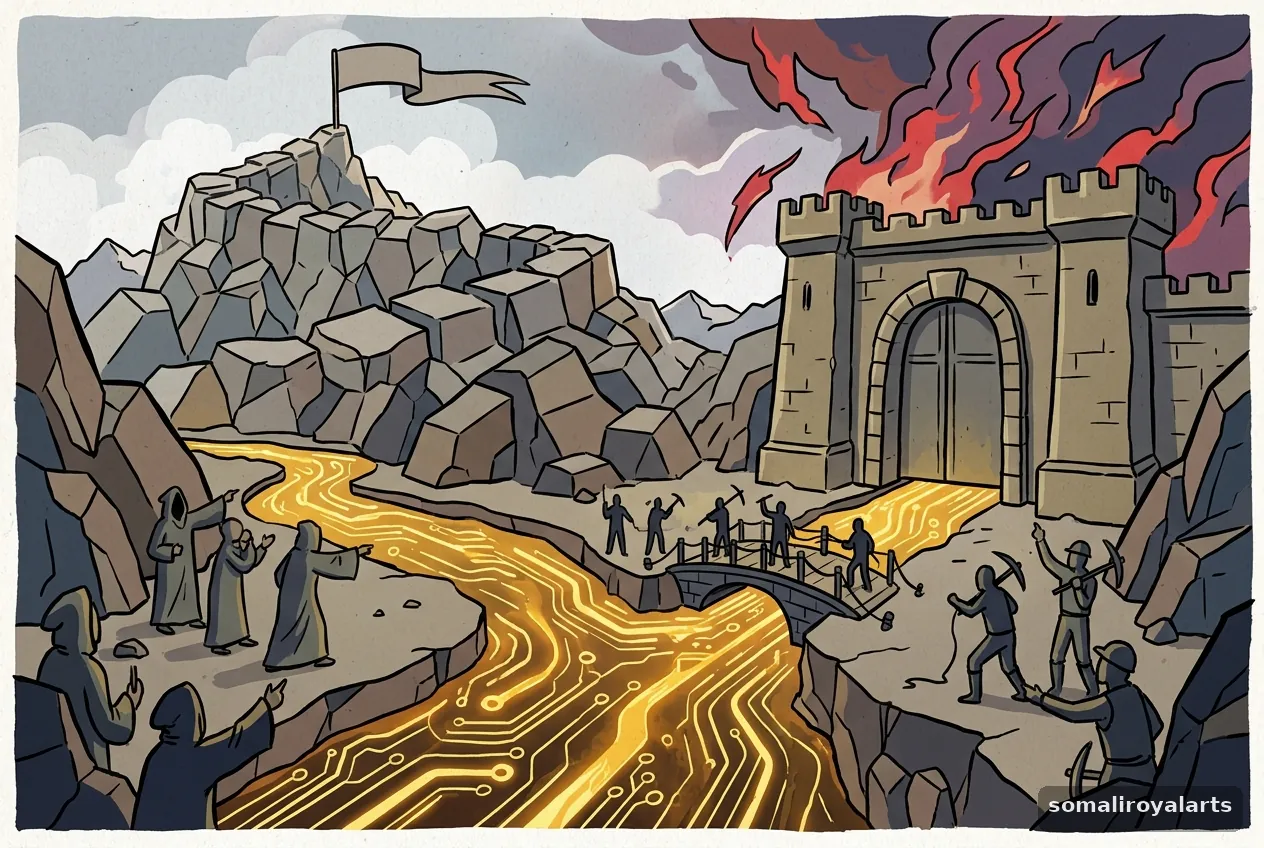
BIP-110 entered its signaling phase at about 19:35 UTC on Saturday when Bitcoin reached block 961,632. Miner support has seldom exceeded 2.5%, far below the required threshold. Strategy chairman Michael Saylor and Blockstream CEO Adam Back have also opposed the proposal. Supporters are nevertheless promoting BIP-110 as a user-activated soft fork, or UASF. Node operators would update their software to reject blocks from miners that do not signal support for BIP-110, seeking to force miners to follow the new rule or be cut off from the network. The immediate effect could be that nodes enforcing BIP-110 reject the network being built by almost the entire mining sector. This could produce two competing Bitcoin networks: the dominant mainnet, backed by most hash power and institutional capital, and a minority chain containing only nodes that enforce BIP-110. The minority chain could theoretically gain prominence if more node operators join and pressure miners, or it could halt for lack of support. The signaling window will remain open until Bitcoin reaches block 965,664, expected in about four weeks. A possible split leaves Somali Bitcoin users with a practical need to check which network their services support before transferring assets.
Read our sourcing and corrections policy


Be the first to comment on this story!