Turkish Parliament Extends Somalia Military Mission to 2028
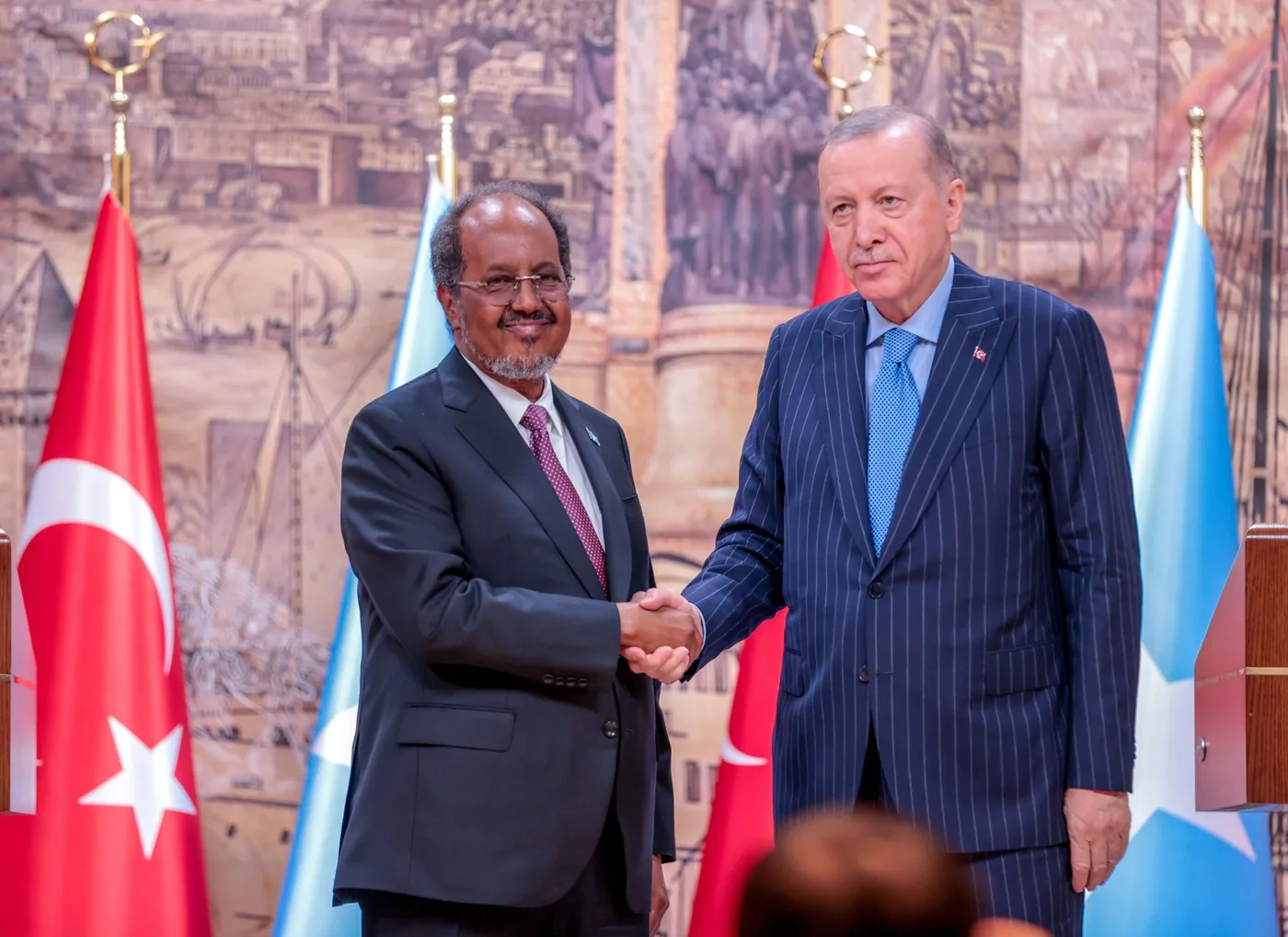
Turkey’s parliament has approved a two-year extension for its military forces stationed in Somalia, securing their presence through July 2028. The mandate, which builds on an initial authorisation granted in July 2024, enables Turkish troops to continue operations targeting terrorism, piracy, illegal fishing, and smuggling. The legislation grants President Recep Tayyip Erdogan authority to determine the size, timing, scope, and specific locations of deployments across Somalia and its maritime jurisdiction. Under the terms of the motion, Turkish forces maintain the flexibility to operate in Somalia's territory and maritime zone, as well as conduct joint operations with third-party nations and international bodies under agreements between Ankara and Mogadishu. The Turkish navy has supported international operations against piracy and maritime terrorism in the Gulf of Aden, the Arabian Sea, and Somali waters since 2009. During the parliamentary debate, Cemalettin Kani Torun, Turkey's former ambassador to Somalia, urged lawmakers to view the extension as more than a routine foreign military deployment. Torun argued that Turkey’s greatest asset in Somalia is the confidence it has built among diverse Somali political and social groups. He noted that Ankara has avoided offering ready-made prescriptions to Somalis or taking sides in domestic disputes, focusing instead on creating space for Somalis to determine their own future. The extensive relationship between the two nations traces back to 2011, when Erdogan, then serving as prime minister, visited Mogadishu during a devastating famine. Over subsequent years, Turkish engagement expanded across security, infrastructure, health, education, humanitarian assistance, and economic development. A central element of this cooperation is the TURKSOM base, Turkey’s largest overseas military training facility. Opened in Mogadishu in 2017, the facility has trained thousands of Somali soldiers and remains central to rebuilding Somalia’s armed forces. The parliamentary motion noted that Somalia's defence and security forces have not yet reached the required capability, partly due to economic difficulties. The renewed Turkish mandate follows a formal request from the Somali government for military backing to establish control over its maritime territory and offshore resources, following a 10-year defence and economic cooperation framework agreement signed on February 8, 2024. That agreement commits Ankara to helping Somalia develop, train, and equip its naval forces to protect its coastline from piracy, illegal fishing, and smuggling. The motion framed this cooperation as vital for securing Somalia's economic resources while supporting regional stability and security crucial for international maritime transport and Turkish foreign trade. The partnership has also expanded into offshore energy exploration. In April, Turkey deployed the Cagri Bey drillship to the Curad-1 well, located roughly 370 kilometres off the coast of Mogadishu, marking Ankara's first deep-sea drilling operation abroad. The well is expected to reach a depth of 7,500 metres over a six-to-nine-month period, depending on weather and sea conditions. The military extension comes as Somalia continues operations against the Al-Qaeda-linked group Al-Shabaab across central and southern regions. The country also faces uncertainty surrounding the future financing and logistics of African Union support missions, while political friction between the federal government, opposition figures, and regional administrations has raised concerns over internal cohesion. Torun welcomed recent Turkish efforts to encourage dialogue among Somali political actors, stressing that state rebuilding cannot be achieved through decisions made at a desk. The guaranteed Turkish military and naval presence through 2028 offers Mogadishu a predictable security buffer. It ensures the uninterrupted training of Somali infantry at the TURKSOM base and provides maritime patrols that protect the emerging offshore oil exploration from disruption while the federal government navigates complex transitions with African Union peacekeepers.
Read our sourcing and corrections policy
This article was prepared by our automated editorial system, which summarized and translated the source above. No human editor reviewed this article individually before publication.


Be the first to comment on this story!